
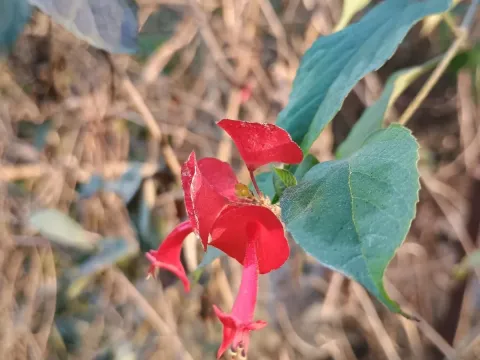
Holmskioldia
Holmskioldia Retz.
Holmskioldia is a distinctive genus of flowering shrubs belonging to the Lamiaceae family. Native to the tropical regions of the Himalayas and India, this plant is best known for its unique, hat-shaped calyces that provide a stunning visual effect during the flowering period.
What the section contains
Holmskioldia
This crop thrives in warm, humid climates and is highly sensitive to cold temperatures. In regions with temperate climates, it must be grown in greenhouses or as a conservatory plant, ensuring the temperature remains consistently above 15 degrees Celsius for optimal metabolic activity.
Soil requirements for Holmskioldia demand a light, well-draining, and nutrient-rich potting medium. A mixture based on peat, perlite, and organic compost is recommended to ensure both moisture retention and adequate aeration, which is crucial for preventing root suffocation.
Watering frequency should be moderate, allowing the top layer of the soil to dry out between applications. Consistent moisture is vital during the active growing season, but the plant requires a distinct rest period with reduced watering during the cooler winter months.
To maintain a compact and productive plant, regular pruning is necessary. Pruning encourages lateral branching, which increases the density of flower development. Feeding the plant with high-potassium fertilizers during the growing season will significantly improve the brightness and size of the floral display.
Spider mites are the most prevalent pest for Holmskioldia, particularly in indoor environments with dry air. Regular misting and the maintenance of adequate humidity levels are essential preventive measures against these tiny sap-sucking insects.
Root rot caused by Phytophthora or Pythium species remains a significant threat if drainage is insufficient. To mitigate this risk, it is recommended to use pots with ample drainage holes and to avoid over-compaction of the soil mixture.
Scale insects often hide in the leaf axils and along the woody stems of the plant. If detected, they should be treated immediately with horticultural oils or systematic insecticides to prevent severe damage to the plant's vascular system.
Powdery mildew is a common fungal disease that can occur in conditions of poor air circulation and high ambient humidity. Improving airflow around the plant and applying preventive fungicidal sprays can keep the foliage healthy and clean.
Nutrient deficiencies often manifest as chlorosis or stunted growth, typically indicating an incorrect soil pH or a lack of essential trace minerals. Regular soil testing and the application of balanced, chelated fertilizers will help maintain the plant's overall vigor.