
Heterophylla lavender
Lavandula heterophylla
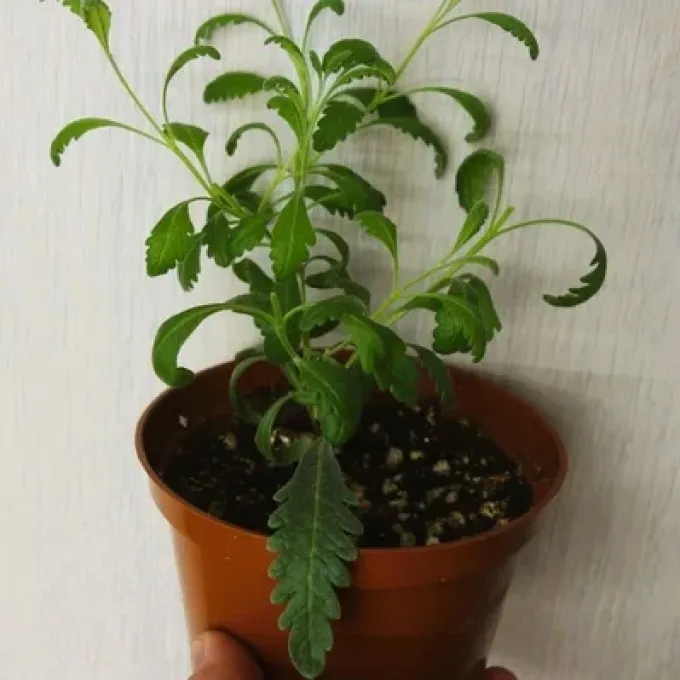
Description
Sowing dates
Propagation of Lavandula heterophylla is primarily achieved through semi-hardwood cuttings, which ensure the genetic uniformity of the crop for commercial fields.
Cuttings should be taken in late spring, choosing healthy stems that demonstrate active but firm growth to maximize the chances of successful rooting.
The rooting medium should be porous and well-draining, such as a mix of perlite and peat, to provide the necessary aeration for young, sensitive roots.
Establishing the plants in the field should occur after the final spring frost to prevent damage and to allow the root system to settle before the heat of summer.
If starting from seeds, ensure a cold stratification period of at least six weeks to break dormancy and achieve uniform germination across the seed tray.
Growing requirements
This species belongs to the Lamiaceae family and is known for its rapid growth rate, broad adaptability, and highly aromatic foliage and flowers.
It demands a location with full solar exposure to produce high oil yields and to maintain the compact, upright habit of the bush throughout the growing season.
Soil quality is paramount; this lavender thrives in lean, sandy, or rocky soils with excellent drainage, as it is highly sensitive to root asphyxiation.
Water requirements are relatively low once the plant is established, as excessive moisture often causes fungal infections and reduces the plant's natural longevity.
Regular pruning is essential for maintaining the shape of the plant and preventing it from becoming woody and sparse at the base as it ages.
Main diseases and pests
Fungal pathogens such as Phytophthora and Rhizoctonia are the most significant threats, especially in heavy or poorly drained soils during wet seasons.
Pests like spider mites and aphids may infest the succulent new growth, which can stunt development and diminish the visual quality of the crop.
Weed management is critical in the first year of production, as young plants cannot effectively compete with aggressive grasses and broadleaf weeds.
Integrated Pest Management (IPM) strategies, including biological controls and cultural practices like proper spacing, are recommended over chemical intervention.
Monitoring the soil pH is also important, as highly acidic soils can induce nutrient deficiencies that make the plant more susceptible to environmental stressors.
Harvesting
Harvesting is timed for when the spikes show vibrant color and the lower flowers start to open, ensuring the essential oil composition is at its peak.
Cutting should be performed using sharp, sanitized tools to prevent the spread of diseases and to ensure a clean cut that heals quickly without scarring.
Immediately after harvest, the material should be moved to a sheltered area to avoid wilting or oil evaporation caused by direct exposure to ultraviolet light.
Drying racks should be organized to allow airflow through every bundle, which prevents the development of mold and keeps the flowers intact and fragrant.
Post-harvest pruning is a standard practice to remove dead spikes, which prepares the lavender for the next cycle of growth and reduces overwintering pathogens.