
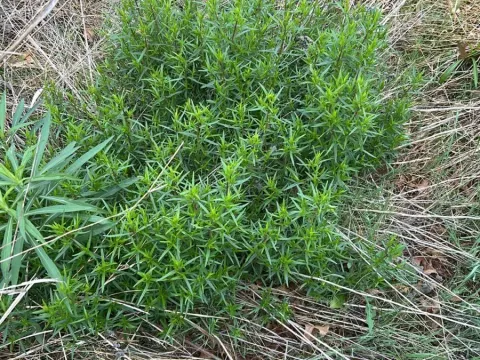
Pycnanthemum
Pycnanthemum
Sowing Pycnanthemum, commonly known as mountain mint, is best performed in the spring once soil temperatures reach 10–12°C. Seeds often require a cold stratification period of 2 to 4 weeks to break dormancy and ensure uniform germination.
What the section contains
Pycnanthemum
Vegetative propagation via root division or stem cuttings is the preferred method for commercial farming, as it preserves genetic uniformity and leads to faster establishment of the crop.
When starting from seed, it should be surface-sown or covered with only a very thin layer of soil, as seeds require light to trigger germination effectively.
Maintaining consistent soil moisture is crucial during the germination phase. The soil must be kept damp but not waterlogged until the seedlings are firmly established.
The standard planting distance is 40–50 cm between rows, allowing enough space for the plant's aggressive root growth and ensuring good airflow across the field.
Pycnanthemum, belonging to the Lamiaceae family, is a perennial herb native to North America. It thrives in locations with full sun exposure, although it tolerates partial shade in warmer climates.
The ideal soil for mountain mint is a fertile, well-draining loam. While the plant is somewhat adaptable, it performs best in soils with a neutral or slightly acidic pH level.
The plant is highly hardy and can withstand diverse climate conditions, including harsh winters. However, establishing proper drainage is essential to prevent root rot during periods of heavy precipitation.
Water requirements are moderate; consistent moisture during the growing season is beneficial for the development of essential oil glands in the leaves and stems.
Regular maintenance involves weeding in the early stages, as young Pycnanthemum plants can be outcompeted by aggressive weeds until they establish a robust root system.
Yields of fresh biomass vary depending on soil fertility and plant density, typically ranging from 15 to 25 tons per hectare in established, healthy plantations.
Peak concentrations of volatile oils, which are the main commercial target for this crop, occur during the full bloom phase, making precise timing of harvest essential for maximizing value.
Applying nitrogen and phosphorus fertilizers at the beginning of the growing season can significantly boost biomass production and support the growth of side shoots.
Production usually peaks in the third year after planting as the plants mature and fill the allotted space. Yields remain stable for several years thereafter with proper management.
Productivity is highly influenced by the ability to manage water stress; supplemental irrigation during mid-summer heat often results in a higher quality of harvested essential oil.
Pycnanthemum is naturally resilient to many common pests, though high humidity can lead to powdery mildew outbreaks if the planting density is too high.
Spider mites are the most frequent pest challenge, particularly during dry, hot weather, as they feed on the underside of the leaves and reduce plant vigor.
Root rot is the primary physiological threat, generally caused by water-saturated soils or poor drainage, which can kill established clumps over the winter.
Cultural control, such as ensuring proper spacing between plants to maximize airflow, is the most effective way to prevent fungal infections and reduce the need for fungicides.
Monitoring for signs of pest pressure and maintaining vigorous plant growth through balanced nutrition helps the crop resist common agricultural stressors effectively.
The optimal harvest window is when the plants are in full flower, as this is when the concentration of aromatic compounds is at its absolute maximum level.
Harvesting is done by cutting the stems about 10–15 cm above the ground. This practice allows the plant to recover and potentially produce a secondary harvest later in the season.
Post-harvest handling is critical; the plant material must be dried quickly in a cool, well-ventilated area away from direct sunlight to preserve the volatile oils.
Mechanical harvesting is common in larger operations, using specialized equipment designed to collect herbs without bruising the delicate leaves and flower heads.
Proper storage involves sealed containers in a dark, cool environment to maintain the potency and quality of the medicinal and culinary essential oils contained within the herb.