
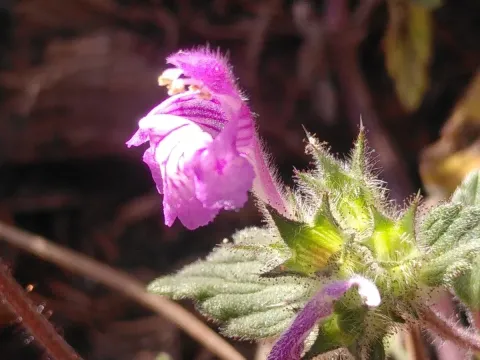
Pyrenean hemp-nettle
Galeopsis pyrenaica
Pyrenean hemp-nettle is a herbaceous plant that requires careful seedbed preparation. Sowing should ideally take place in early spring when the soil temperature has stabilized.
What the section contains
Pyrenean hemp-nettle
The seeds are small and should be sown at a shallow depth of no more than 1–2 centimeters to ensure adequate germination rates and quick emergence of seedlings.
Proper spacing between rows is essential for mechanical weeding and air circulation, with a recommended distance of 30–40 centimeters depending on local conditions.
Fall sowing is an option in regions with mild winters, as the seeds often benefit from a period of cold stratification, which leads to more uniform spring growth.
Once sown, the soil surface should be lightly rolled to ensure optimal contact between the seeds and the soil, preventing drying out during the critical germination phase.
Belonging to the Lamiaceae family, the Pyrenean hemp-nettle thrives in well-drained, rocky or sandy soils that mimic its natural mountainous habitat.
The species prefers full sun exposure to maintain its compact growth form and to promote the synthesis of essential compounds within its tissues.
Water requirements are moderate; the plant is highly sensitive to waterlogging, so site selection should prioritize slopes or fields with excellent natural drainage.
Soil pH should ideally be neutral or slightly alkaline. While the plant can tolerate nutrient-poor soils, a baseline level of organic matter is beneficial for initial establishment.
During the growing season, regular weeding is necessary because the species does not compete well with vigorous annual grasses or broad-leaved weeds in its early stages.
The primary threats to this crop include various soil-borne fungi that trigger root rot, especially during seasons with high humidity or frequent rainfall.
Aphids represent the main insect threat, as they colonize the tender foliage and stems, leading to stunted growth and potentially transmitting viral diseases.
To mitigate disease pressure, growers must ensure adequate spacing to promote ventilation and avoid overhead irrigation methods that wet the leaves.
Regular monitoring of the crop is advised to catch infestations early, allowing for targeted interventions rather than blanket chemical applications.
Pest management should also consider the surrounding landscape, as wild hosts nearby can serve as reservoirs for aphids and other common pests of the Lamiaceae family.
The harvest period is determined by the phenological stage of the plant, with the peak concentration of bioactive ingredients occurring during full flowering.
Plants are harvested by mowing the above-ground biomass, ensuring the cut is performed at a sufficient height to protect the crown of the plant for potential future regrowth.
Speed is critical after harvest; the collected material must be spread thinly or moved to a drying facility immediately to prevent overheating and fermentation.
Drying is best accomplished in shaded, well-ventilated conditions at moderate temperatures to prevent the loss of volatile compounds and ensure the final product quality.
Once dried to a moisture content of less than 12%, the product is stored in airtight, dark containers to preserve its pharmacological integrity and shelf life.