
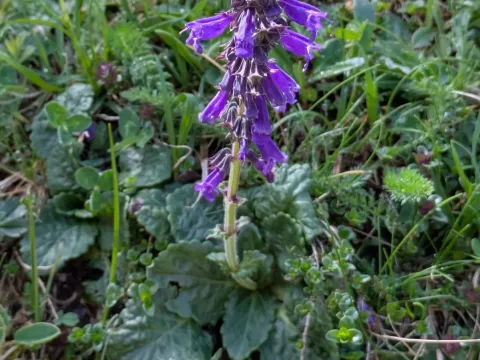
Pyrenean horminum
Horminum pyrenaicum
Sowing Pyrenean Horminum seeds is best accomplished in early spring or via late autumn sowing, allowing the seeds to undergo necessary cold stratification for better germination.
What the section contains
Pyrenean horminum
Seeds should be surface-sown or covered with only a fine layer of substrate, as they require light to germinate effectively and should not be buried too deep.
Maintaining consistent soil moisture is crucial during the germination phase; covering the seed tray with plastic or glass can help regulate humidity until the first shoots emerge.
Once the seedlings develop their first true leaves, they should be thinned out or transplanted into individual pots to ensure they have enough space to develop a strong root system.
Hardening off the young plants before transplanting them into their permanent outdoor location is essential to ensure they survive transplant shock in early summer.
Belonging to the Lamiaceae family, Pyrenean Horminum is a perennial alpine plant characterized by its dense rosette of leaves and striking purple-blue flowers.
The plant thrives in well-draining, rocky, or loamy soil with a neutral to slightly alkaline pH, mirroring the conditions of its native limestone mountain habitats.
It prefers full sun to light shade; however, in regions with very hot summers, afternoon shade is highly recommended to prevent the foliage from scorching.
Pyrenean Horminum requires moderate watering, especially during its peak growing season, but it is extremely intolerant of standing water, which causes immediate root rot.
The species is remarkably winter-hardy and does not require special winter protection, provided that the soil drainage is sufficient to prevent ice buildup around the crown.
Fungal diseases, particularly crown and root rot, are the most significant threats to Pyrenean Horminum, especially when grown in heavy or poorly drained garden soils.
Slugs and snails are the primary pests that frequently consume the succulent-like foliage, often necessitating protective measures such as gravel mulching or organic traps.
Poor air circulation within crowded plantings can lead to powdery mildew outbreaks, which affect the leaves and reduce the aesthetic value of the plant.
To mitigate these risks, it is essential to ensure that the area around the base of the plant remains dry, utilizing grit or coarse sand as a decorative and functional mulch.
Regular monitoring during damp spells is vital, as early detection of rot or pest damage allows for quick intervention, preserving the overall health of the specimen.