
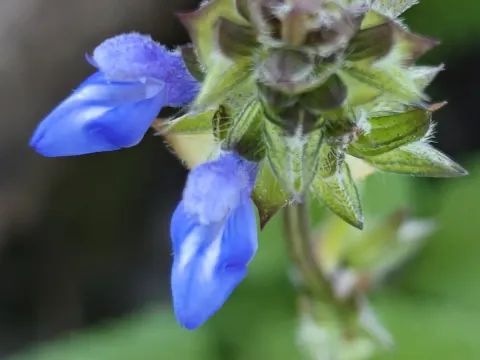
Prunella-leaved sage
Salvia prunelloides
Salvia prunelloides is a perennial herb belonging to the Lamiaceae family. To propagate this species effectively, sowing is typically performed in early spring using a greenhouse or indoor seed tray setup to provide optimal germination conditions.
What the section contains
Prunella-leaved sage
Seeds are surface-sown on a light, well-draining substrate and should not be deeply buried, as they require light exposure to initiate the germination process. Maintaining a consistent temperature between 20°C and 22°C is essential for uniform seedling emergence.
Once the seedlings develop their first true leaves, they should be carefully pricked out into individual containers. This transition allows for stronger root development, ensuring the plants are robust enough for transplantation into their permanent outdoor locations.
Transplanting to the field or garden is best conducted after the last frost date, when soil temperatures have warmed sufficiently. Proper spacing of approximately 30–40 cm between plants is recommended to facilitate adequate airflow and prevent foliage disease.
Regular but moderate watering is necessary during the establishment phase. It is critical to ensure the soil remains moist but never waterlogged, as excessive dampness can lead to damping-off disease in young, developing plants.
This species thrives in sunny locations that receive at least 6 to 8 hours of direct sunlight daily. While it can tolerate partial shade, full sun exposure is necessary to maintain the plant's structural integrity and promote prolific flowering.
The ideal soil for Salvia prunelloides is sandy or loamy, rich in organic matter, and well-draining. Neutral to slightly alkaline soil conditions are preferred, while heavy, clay-based soils should be amended with organic material or grit to improve aeration.
Watering frequency depends on local climate conditions, though the plant shows moderate drought tolerance once established. During periods of peak growth or high summer temperatures, consistent irrigation is necessary to support the plant's metabolic activity.
Fertilization with a balanced, slow-release fertilizer during the onset of the growing season promotes vigorous growth. Over-fertilization, especially with high-nitrogen formulas, should be avoided as it can cause leggy growth and reduce bloom production.
For winter care, especially in colder climates, protecting the root zone with a layer of mulch is beneficial. This practice mitigates the impact of freezing temperatures and frost-heaving, ensuring the survival of the crown throughout the winter season.
Root rot is the most significant threat, particularly in poorly drained soils or during prolonged wet seasons. Improving soil structure and ensuring proper site selection are the primary preventative measures against these pathogens.
Common pests such as aphids and spider mites can colonize the foliage during warm, dry weather. Regular monitoring of the underside of leaves allows for early detection, which can be managed with insecticidal soaps or biological controls.
Powdery mildew may occur when air circulation is poor or humidity levels remain high for extended periods. Pruning affected stems and providing better spacing between plants typically resolves these issues without the need for heavy chemical intervention.
Slugs and snails may occasionally feed on young, tender leaves during the spring. Implementing mechanical barriers or using organic-certified slug pellets around the base of the plant can effectively manage this risk in humid environments.
General plant health is maintained by timely weeding around the base of the sage. Keeping the surrounding area clear of invasive weeds reduces competition for nutrients and water, which strengthens the plant's overall resistance to diseases.