
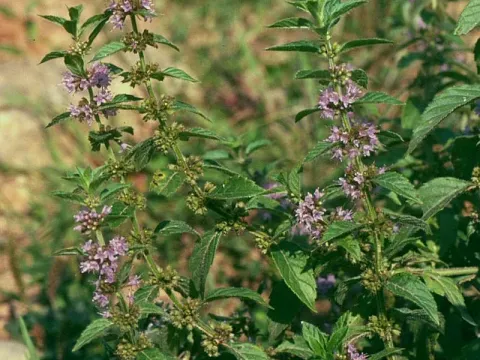
Red Mint
Mentha gentilis
Red Mint (Mentha gentilis), also known as Scotch mint or variegated ginger mint, is a perennial herb belonging to the Lamiaceae family. It is a natural hybrid known for its aromatic foliage and spreading rhizomes, making it a popular choice for herb gardens and small-scale commercial cultivation.
What the section contains
Red Mint
Propagation is primarily vegetative, involving the division of established root clumps or the use of stem cuttings. Planting typically occurs in early spring once the threat of heavy frost has passed, allowing the plants to establish a robust root system during the growing season.
For best results, space plants about 40–50 centimeters apart to provide sufficient airflow. Given the plant's aggressive growth habit through underground stolons, it is advisable to designate specific beds or containers to prevent it from invading other areas of the garden.
The soil should be prepared by incorporating plenty of organic matter, such as well-rotted compost or manure, to improve drainage and moisture retention. A fertile, loamy soil with a neutral pH level is ideal for fostering healthy development and high essential oil content.
After planting, ensure the area is watered thoroughly. Mulching around the base of the plants helps maintain soil moisture levels and suppresses weed germination, which is particularly important during the first few weeks after the initial setup of the mint bed.
Red Mint thrives in locations that receive full sun to partial shade. While it can tolerate slightly shaded environments, maximum sunlight usually leads to a higher concentration of the aromatic oils that give the plant its characteristic scent and flavor profile.
Consistent moisture is critical for this species, as it naturally originates from damper habitats. However, it requires well-draining soil to prevent root rot. If the soil is heavy or prone to waterlogging, planting in raised beds can significantly improve drainage conditions.
The ideal temperature for rapid vegetative growth is between 18 and 25 degrees Celsius. The plant is hardy, but in areas with extremely harsh, dry winters, adding a layer of straw or mulch over the crown can provide necessary protection against deep freezes.
Regular fertilization with nitrogen-rich fertilizers during the spring and mid-summer promotes the production of lush green leaves. Nevertheless, it is essential to balance this with organic practices to ensure the final product remains safe and high in quality.
Routine weeding and light cultivation of the soil surface are necessary to encourage aeration. If the mint is grown in an open field, regular irrigation is vital, especially during prolonged dry spells, to prevent the leaves from drying out and losing their essential oils.
Mint rust is one of the most common fungal diseases affecting Mentha gentilis. It manifests as small, reddish-brown pustules on the underside of the leaves and can spread rapidly under high humidity, requiring prompt pruning of affected parts.
Powdery mildew can also pose a risk in environments with poor air circulation or drastic temperature changes. Maintaining proper spacing between plants and avoiding overhead watering during the evening can help mitigate this problem significantly.
Pests such as mint beetles and aphids can cause damage by feeding on young foliage and stems. Integrated pest management, including the use of beneficial insects or organic insecticidal soaps, is recommended over the use of harsh synthetic chemicals.
Spider mites might become a concern during hot, dry summer months. Monitoring the underside of leaves for fine webbing and discolored spots is essential for early detection and control before the infestation leads to stunted growth or crop loss.
Preventive measures include practicing crop rotation and ensuring the planting site is cleared of old plant debris, which can harbor overwintering pathogens. Keeping the patch clean and well-ventilated is the best defense against major outbreaks.
The best time to harvest Red Mint is just as the flower buds begin to appear, as this is when the essential oil concentration is highest. Harvesting at this stage ensures the strongest flavor and aroma, which is preferred for culinary and medicinal uses.
To harvest, cut the stems about 10–15 centimeters above the ground. This practice encourages the plant to produce a secondary flush of growth, often allowing for multiple harvests within a single growing season if the weather remains favorable.
Proper drying is essential to preserve quality. The stems should be bundled and hung in a shaded, well-ventilated room or dried on racks in a single layer. Direct sunlight should be avoided, as it degrades the aromatic compounds and causes the leaves to lose their color.
Once dried, the leaves can be stripped from the stems and stored in airtight containers kept in a cool, dark place. Properly stored, the dried mint will maintain its potency and quality for up to two years, making it an excellent shelf-stable product.
Every three to four years, the root clumps tend to become congested and less productive. To maintain high yields, it is necessary to lift the plants, divide the rhizomes, and replant only the healthiest sections into fresh, nutrient-rich soil.