
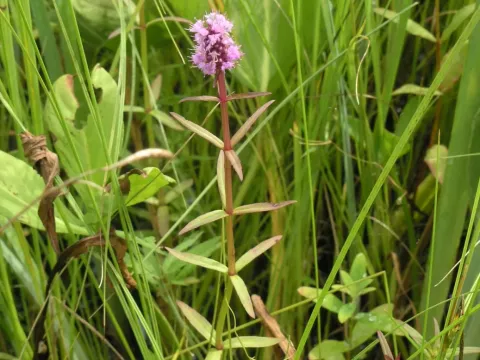
Pogostemon yatabeanus
Pogostemon yatabeanus
Pogostemon yatabeanus is a perennial herb that is primarily propagated via vegetative methods within controlled aquatic environments.
What the section contains
Pogostemon yatabeanus
Cuttings are the most effective way to multiply this species, as stems develop roots quickly when placed in a nutrient-rich substrate.
Propagation tasks should ideally be scheduled during the peak growing season to ensure rapid acclimatization of the new plantlets.
While the plant can produce flowers in emersed growth conditions, seeding is not a common practice due to the complexities involved in germination.
Successful establishment of new cuttings requires high humidity levels and stable water parameters to prevent tissue dehydration.
As a member of the Lamiaceae family, this species requires specific light intensities and water conditions to thrive and maintain its coloration.
Optimal growth is achieved through a combination of CO2 supplementation and regular micro-fertilization to provide essential iron and minerals.
Water temperatures must stay within the 22 to 28 degrees Celsius range, as deviations can lead to stunted growth or complete plant failure.
High-quality lighting is essential to prevent the stems from becoming leggy and to encourage the formation of dense, healthy foliage.
The substrate should be fine-grained and rich in organic components to support the complex root system characteristic of this genus.
Yield in this context refers to the rapid production of side shoots that can be harvested and sold as additional planting stock.
Under optimal lighting and nutrient levels, healthy mother plants can produce multiple harvestable cuttings on a consistent monthly basis.
Biomass output is highly dependent on the maintenance of water chemistry and the timely removal of older, less productive stems.
Dense cultivation patterns require careful management to ensure that all parts of the plant receive adequate light and circulation.
Commercial producers value this plant for its ability to quickly transform into dense, aesthetically pleasing clusters within a short timeframe.
Algae infestations represent the primary challenge for growers, as these organisms can quickly cover the leaves and choke out the plant.
Nutrient imbalances, particularly iron deficiency, often manifest as leaf chlorosis, which significantly diminishes the plant's ornamental appeal.
Organic buildup within the substrate can promote bacterial decay at the base of the stems, leading to root system degradation.
Certain aquarium-dwelling pests may feed on the tender young leaves, necessitating a balanced environment that discourages such predation.
Abrupt changes in water parameters, such as pH or GH, can trigger a stress response resulting in rapid leaf drop and stem weakening.
Harvesting involves the precise trimming of side shoots, which promotes bushier growth and keeps the mother plant healthy.
Sterile and sharp equipment must be used to ensure clean cuts, which facilitate faster healing and minimize the risk of infection.
Once harvested, cuttings should be cleaned, sorted by length, and prepared for immediate replanting or transport.
Regular maintenance pruning is not only a harvesting method but also a necessary practice to manage the plant's density in the display.
- Sterilization of pruning tools
- Selection of robust, healthy stems
- Removal of damaged or necrotic foliage
- Sorting by size for standardized bundles
- Conditioning before distribution