
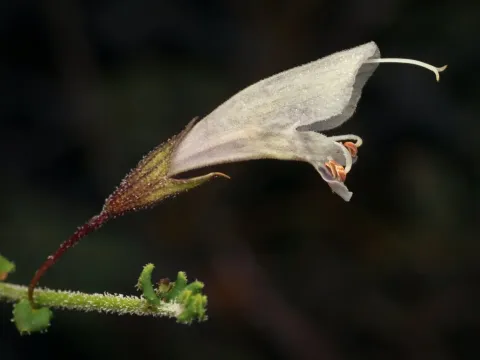
Prostanthera
Prostanthera Labill.
Prostanthera, commonly known as the Australian mint bush, is a genus of evergreen shrubs belonging to the Lamiaceae family. Native to the diverse landscapes of Australia, these plants are highly valued for their aromatic foliage and prolific blooming.
What the section contains

Prostanthera
The plant thrives in conditions with bright, indirect sunlight. While they can tolerate some early morning direct sun, protecting them from harsh afternoon heat is essential to prevent leaf scorching and desiccation of the plant tissues.
Soil requirements are quite specific: Prostanthera demands excellent drainage. In heavy or waterlogged soils, the root system is highly susceptible to rot, so mixing in perlite, coarse sand, or pumice is a standard agronomic practice for potting mixes.
Regarding climate, this crop prefers cool to temperate conditions. It is not frost-tolerant and requires protection in regions with freezing winters, making it a popular choice for container gardening where it can be moved indoors during colder months.
The maintenance routine includes consistent, light watering. It is critical to allow the top inch of soil to dry out between watering intervals, ensuring that the roots are not constantly submerged in wet conditions to avoid fungal issues.
Root rot is the most significant threat to Prostanthera, often caused by overwatering or poor drainage systems. Once the root system is compromised by pathogens, the plant rarely recovers.
Spider mites are common pests, particularly in indoor environments where the air is dry and warm. These mites cause stippling on the leaves and can lead to severe defoliation if left untreated.
Mealybugs are another potential pest that hides in leaf axils, draining plant sap and excreting honeydew, which may eventually lead to sooty mold growth on the foliage.
Integrated pest management, including regular inspection and the use of insecticidal soaps or neem oil, is recommended to keep pest populations at a manageable level without harming the plant's delicate tissues.
Good air circulation and maintaining proper spacing between plants are essential cultural practices to reduce the humidity around the foliage and minimize the risk of fungal outbreaks.