
Prostanthera
Prostanthera
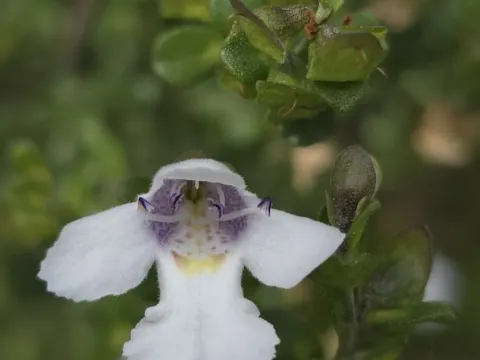
Prostanthera, commonly known as the Australian mint bush, belongs to the Lamiaceae family. Native to Australia, this evergreen shrub is widely recognized for its highly aromatic foliage, which releases a strong scent when crushed, resembling a blend of mint and eucalyptus.
What the section contains
 Alpine mint bush
Prostanthera cuneata
Alpine mint bush
Prostanthera cuneata
 Prostanthera
 hybrids
Prostanthera
Prostanthera hybrids
 Prostanthera aspalathoides
Prostanthera aspalathoides
Prostanthera aspalathoides
 Prostanthera incana
Prostanthera incana
Prostanthera incana
 Prostanthera melissifolia
Prostanthera melissifolia
Prostanthera melissifolia
 Prostanthera ovalifolia
Prostanthera ovalifolia
Prostanthera ovalifolia
 Round-leaf mintbush
Prostanthera rotundifolia
Round-leaf mintbush
Prostanthera rotundifolia
 Victorian Christmas Bush
Prostanthera lasianthos
Victorian Christmas Bush
Prostanthera lasianthos
Prostanthera
Botanically, the plant features square-shaped stems, typical of the Lamiaceae family, and small, vibrant flowers that appear in clusters. It thrives in its native environment across various regions, ranging from coastal forests to high-altitude temperate zones.
Regarding cultivation requirements, Prostanthera demands excellent drainage. The soil should be light, porous, and slightly acidic to ensure that the sensitive root system does not remain waterlogged, which is the most frequent cause of plant failure in non-native climates.
Lighting conditions are critical for the plant's health. While it enjoys a bright environment, it requires protection from harsh, direct midday sun, which can dehydrate the leaves. A location with morning sun and light afternoon shade is considered ideal for optimal growth.
The agricultural and economic utility of the plant is centered on its essential oil production, which is valued in the cosmetic and fragrance industries. Furthermore, its rapid growth and aesthetic value make it a popular choice for ornamental horticulture in mild climates.
The primary threats to Prostanthera include fungal pathogens, particularly Phytophthora root rot, triggered by poor drainage or excessive humidity. Maintaining proper airflow around the base of the plant is an essential management practice to mitigate these risks.
Pest management should focus on monitoring for sap-sucking insects such as spider mites and scale insects. These pests thrive in dry conditions and can cause significant leaf yellowing and stunted development if left untreated during the active growth phase.