
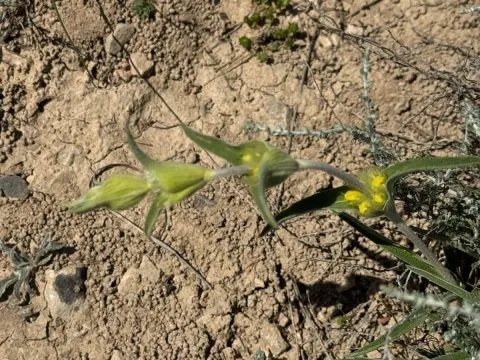
Phlomis lychnitis
Phlomis lychnitis
Phlomis lychnitis, commonly known as the lampwick plant, is a perennial herb belonging to the Lamiaceae family. It is native to the Mediterranean region, where it naturally thrives in rocky, arid environments and lime-rich soils.
What the section contains
Phlomis lychnitis
The plant is highly valued for its extreme drought tolerance and its ability to grow in poor soil conditions where other crops would fail. It requires full sunlight exposure and excellent soil drainage to prevent root rot and ensure healthy development throughout the growing season.
The botanical structure of Phlomis lychnitis is defined by its distinct whitish, woolly-like pubescence covering the leaves and stems. This adaptation acts as a natural sunscreen and moisture retainer, allowing the plant to survive in high-heat and low-water environments.
For cultivation, the ideal soil type is neutral to slightly alkaline. Heavy, clay-heavy, or poorly drained soils should be avoided or amended with sand and grit to mimic the natural rocky habitat of this species.
Crop management requires careful attention to spacing to ensure good air circulation. Dense planting can lead to increased humidity levels around the canopy, which may trigger health issues in this otherwise resilient species.
Phlomis lychnitis is widely used in landscaping and floriculture. Its long-lasting blooms and unique foliage texture make it a popular choice for xeriscaping and sustainable garden designs that require minimal maintenance.
In terms of agricultural production for medicinal or cosmetic industries, the harvesting of the aerial parts occurs during the peak flowering stage. This timing ensures that the concentration of secondary metabolites and essential oils is at its maximum.
Harvested material must be processed quickly by drying in well-ventilated, shaded areas. Proper drying techniques are essential to maintain the structural integrity of the leaves and preserve the aromatic compounds used in various applications.
The species serves as an excellent nectar source for various pollinators. Its inclusion in agricultural landscapes supports local ecosystems and can improve the yields of surrounding crops by increasing the presence of beneficial insects.
Periodic pruning after flowering is recommended to maintain the plant's shape and stimulate new growth for the subsequent year, ensuring a longer productive life for the crop.
The primary threat to Phlomis lychnitis in agricultural settings is soil-borne pathogens, specifically root rot, resulting from excessive irrigation or waterlogged conditions. Maintaining the correct moisture balance is the most effective preventative measure.
Pest pressures include sap-sucking insects like aphids, which can damage new growth during the spring. Early scouting is essential to identify and address infestations before they reach economic damage thresholds.
Fungal issues, such as powdery mildew, can occur if plants are situated in areas with poor airflow or overcrowding. Strategic spacing and regular weeding help mitigate these risks significantly without the need for chemical intervention.
Integrated pest management (IPM) is strongly recommended for this crop. Because it is often cultivated for natural extracts, farmers should prioritize biological controls and physical maintenance over synthetic pesticides.
Consistent monitoring and early removal of affected plant parts are crucial strategies for maintaining a healthy and productive field of Phlomis lychnitis throughout its multi-year cycle.