
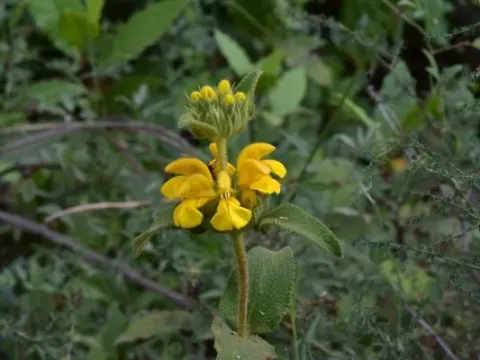
Phlomis longifolia
Phlomis longifolia
Sowing Phlomis longifolia in a commercial setting is recommended to be done during late autumn or early spring, following seed stratification. The soil temperature should be at least 10 degrees Celsius to ensure uniform and efficient germination rates.
What the section contains
Phlomis longifolia
Farmers typically use a row-based sowing method with spacing between rows set at 45 to 60 centimeters. Seeds should be sown at a shallow depth of 1.5 to 2 centimeters to provide the best conditions for the seedlings to establish.
For nursery-raised plants, seeds are sown in trays during late February or early March. The young seedlings require additional light and controlled irrigation to prevent spindly growth before transplanting into the field.
Site preparation is critical; the area must be cleared of perennial weeds that could outcompete the young Phlomis plants. Proper soil preparation ensures that the seedlings have enough space to develop their root systems in the first year.
Mulching the rows after sowing helps to maintain constant moisture levels in the topsoil layer. As the plant grows slowly during the first year, focusing on weed management is essential for healthy plant development.
Phlomis longifolia belongs to the Lamiaceae family and is a sun-loving plant that thrives in open, well-lit fields. Lack of sunlight can negatively affect both the aesthetic quality of the plants and the concentration of essential oils.
The crop prefers light, well-drained sandy or loamy soils with a neutral or slightly alkaline pH. Heavy clay soils or areas prone to waterlogging must be avoided, as the root system is sensitive to excessive moisture and decay.
This species is highly drought-tolerant and winter-hardy, making it a viable candidate for cultivation in regions with hot, dry summers. It can survive long periods of rainfall deficiency without major impacts on overall biomass.
Regular but moderate irrigation is needed during the peak growing season, particularly during the budding phase. Proper soil aeration is more important than frequent watering, as standing water can lead to fungal issues.
For optimal yields, apply balanced mineral fertilizers focusing on phosphorus and potassium. These nutrients help strengthen the stems and improve the plant's overall resistance to environmental stressors throughout the growing cycle.
The yield of Phlomis longifolia depends on plant density and soil fertility. Under proper management, growers can expect an average yield of 5 to 8 tons of dry biomass per hectare during established productive years.
The maximum yield potential is usually achieved from the second to the fourth year after planting. After five years, it is generally recommended to renovate the plot to maintain the quality and quantity of the harvest.
The plant has significant industrial potential, primarily in the pharmaceutical and cosmetic sectors. It is also an excellent nectar source for honeybees, making it a valuable addition to agro-ecosystems for biodiversity.
Phlomis extracts are used in food technology as natural antioxidants due to their rich flavonoid content. These bioactive compounds provide a natural way to extend the shelf life of food products while maintaining safety standards.
Harvested raw materials should be dried immediately in well-ventilated areas away from direct sunlight. Maintaining temperatures below 40 degrees Celsius during the drying process is crucial to preserve the plant's therapeutic oils.
The main threats to Phlomis longifolia include fungal diseases such as root rot and powdery mildew, which often occur when soil aeration is poor. Proper spacing and ventilation are the best defenses against these pathogens.
Pests like aphids can infest young shoots during the growing season. Integrated pest management, including the use of biological control agents, is preferred to maintain the quality of the harvested medicinal material.
Standing water in the field is a major trigger for pathogens, so maintaining high-quality drainage systems is essential. Regular cultivation of the soil between rows helps improve oxygen flow and prevents fungal establishment.
Nematodes can sometimes be a problem in long-term plantations. Rotating the crop and ensuring the use of clean, certified planting material are effective ways to mitigate these risks in large-scale operations.
Removing damaged or infected plant parts promptly from the field helps limit the spread of disease. Good agricultural hygiene practices are the cornerstone of protecting the crop without relying on harsh chemical inputs.