
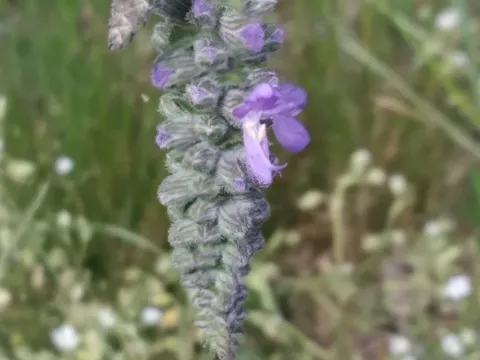
Nodding sage
Salvia nutans
Sowing of Nodding Sage seeds is typically performed in early spring once the soil temperature reaches 10-12 degrees Celsius. Seeds benefit from a cold stratification period of one month to improve germination rates.
What the section contains
Nodding sage
Seeds should be sown at a shallow depth of 1-2 centimeters due to their small size. Maintaining consistent moisture in the seedbed is critical for successful emergence during the initial weeks.
Late autumn sowing is also a viable option, allowing the seeds to undergo natural stratification in the soil. This practice often leads to more uniform and vigorous growth the following spring.
A row spacing of 45-60 centimeters is recommended for professional cultivation to facilitate mechanical weeding and maintenance. The seeding rate is approximately 2-3 kilograms per hectare.
Rolling the soil after sowing ensures optimal seed-to-soil contact, which is vital for the absorption of moisture and subsequent germination.
Nodding Sage is a drought-tolerant plant that thrives in open, sunny locations. It performs poorly in shaded areas and is intolerant to waterlogged or heavy, poorly drained soils.
The ideal soil type for this crop is a light, fertile sandy loam or loamy soil with a neutral to slightly alkaline pH. Proper aeration of the root zone is essential for plant longevity.
This species exhibits excellent cold hardiness, making it suitable for cultivation in temperate climates. It demonstrates significant resilience to fluctuating temperatures during the spring thaw.
During the growing season, maintenance is minimal, consisting of regular weeding and light soil cultivation between rows. Excessive nitrogen fertilization should be avoided to ensure high oil quality.
Nodding Sage is highly adaptive to steppe and forest-steppe environmental conditions. It is a valuable species for restoring biodiversity on arid or neglected agricultural lands.
The plant is highly regarded as a prolific honey crop, providing a reliable nectar source for bees. In favorable conditions, it can yield 200-300 kilograms of honey per hectare.
The yield of green biomass, often harvested for pharmaceutical use, depends on soil fertility and climate. Average yields can reach 15-20 centners of dried raw material per hectare.
Peak production is usually reached in the second and third years of growth. Perennial plantations can remain productive for up to 5-7 years with proper management.
Harvesting for medicinal use should be conducted during the peak flowering stage when essential oil concentration is at its highest. It is best to harvest in dry, clear weather.
Seed harvest is performed when the flower spikes turn brown and the seeds reach wax maturity. Prompt harvesting is necessary to prevent significant yield losses due to seed shattering.
Fungal diseases, particularly powdery mildew and root rots, represent the primary threat to Nodding Sage. These issues are most prevalent in humid, stagnant air conditions.
Pests such as sage moths and weevils can damage flower heads and seeds. Monitoring programs are essential to detect outbreaks early and apply targeted control measures.
Aphids may cause damage to developing buds during dry spells, potentially reducing the quality of the inflorescences. Biological control agents are preferred over chemical pesticides.
Weed competition during the first year of growth is a significant barrier to establishment. Early-stage inter-row cultivation is vital to keep the crop free from invasive species.
Crop rotation is the most effective strategy to manage soil-borne pathogens. Planting sage after other Lamiaceae species is strongly discouraged to avoid cross-infection.
Inflorescences are harvested manually or mechanically at peak bloom. The raw material must be dried rapidly in a shaded, well-ventilated area to preserve active compounds.
Temperature control during the drying process is critical; it should not exceed 40 degrees Celsius to prevent the loss of delicate volatile oils.
Seed heads should be collected once they are fully matured but before natural shattering begins. Post-harvest, the material should be cleaned and dried to the appropriate moisture content.
Storage of the finished product requires airtight containers to protect the herb from moisture, light, and contaminants. This ensures the potency of the herb is maintained.
Crop residues can be utilized as organic matter for soil enrichment when incorporated back into the field. This contributes to long-term soil health for future planting cycles.