
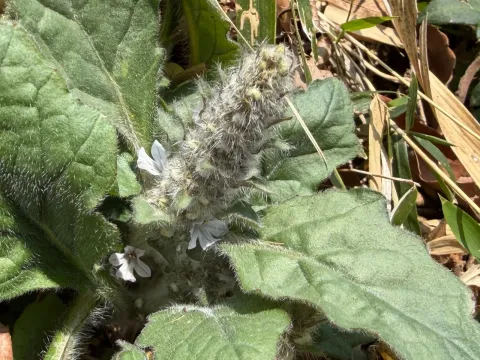
Nippon bugleweed
Ajuga nipponensis
Nippon bugleweed (Ajuga nipponensis) is a perennial herbaceous plant belonging to the Lamiaceae family. It is highly valued in gardening for its rapid spreading habit, creating lush green mats that suppress weed growth.
What the section contains
Nippon bugleweed
The species is native to East Asia, including Japan and China. It typically thrives in woodland habitats, forest edges, and along stream banks, which dictates its preference for shaded to semi-shaded locations.
Regarding soil requirements, it prefers moist, well-drained soil rich in organic matter. While it is adaptable to various soil types, it performs best when the substrate is consistently damp but not waterlogged.
This plant is well-adapted to temperate climates, displaying significant hardiness. It can withstand freezing temperatures during winter, usually retaining its foliage or regrowing vigorously in early spring.
Basic cultivation practices involve ensuring proper spacing during initial planting to allow for the plant to spread. Once established, the groundcover is low-maintenance, requiring minimal human intervention to thrive.
The most common pests affecting Ajuga nipponensis are slugs and snails, which can cause significant damage to the soft leaves during cool and damp seasons.
Root rot is a major threat if the soil remains excessively wet for long periods, especially in heavy clay soils that lack proper drainage structures.
Fungal leaf spot diseases can occur if the plant is grown in areas with poor airflow and high humidity, leading to unsightly blemishes on the foliage.
Management of these threats includes regular site sanitation, removing decaying organic debris where pests might hide, and ensuring proper spacing between plants.
In cases of infestation, biological or chemical controls should be applied cautiously, focusing on maintaining the plant's health and vigor through good cultural practices.