
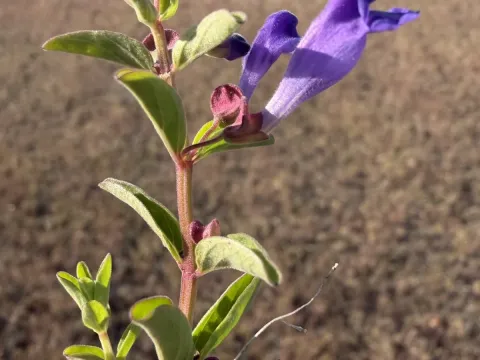
Narrow-leaf skullcap
Scutellaria angustifolia
Narrow-leaf skullcap (Scutellaria angustifolia) is a perennial herbaceous plant belonging to the Lamiaceae family. Sowing seeds in temperate climates is best performed in late autumn or early spring, as soon as the soil warms up to at least 5-8 degrees Celsius.
What the section contains
Narrow-leaf skullcap
To ensure uniform germination, seeds require a period of stratification lasting 30-45 days at cool temperatures. The optimal sowing depth in the ground should be approximately 1-1.5 centimeters.
When sowing in rows, a spacing of 45-60 centimeters between rows is necessary to allow for the full development of the root system. Seedlings typically emerge within 2-3 weeks under consistent soil moisture conditions.
Skullcap seeds often have low germination vigor, so it is recommended to use fresh seeds harvested in the current season. Seeding density should be managed to ensure optimal crop productivity for the coming years.
During the first year, the plant focuses on developing a basal leaf rosette and a robust root structure; therefore, timely weeding and soil aeration are crucial stages in early crop management.
The culture thrives in open, sunny areas, as shade can significantly reduce the concentration of bioactive compounds in the roots. Although the plant is drought-tolerant, moderate moisture during the active growing season is required for maximum biomass gain.
Preferred soil types include loose sandy loam or light loamy soils with high aeration and a neutral to slightly acidic pH level. It is essential to avoid areas with poor drainage and stagnant groundwater, as the roots are sensitive to waterlogging.
For high yields, crop rotation is advised, along with the application of phosphorus and potassium fertilizers to stimulate underground growth. Organic matter is best applied to the preceding crop in the rotation cycle.
The plant is highly frost-resistant and can survive harsh winters under snow cover without the need for artificial protection, making it a reliable candidate for cultivation in varied continental climates.
- Light: High solar intensity is ideal for development.
- Soil: Fertile sandy loams and light loams.
- pH Level: 6.0–7.0.
- Watering: Moderate, avoiding waterlogged conditions.
The primary diseases affecting narrow-leaf skullcap are root rots, which often occur due to improper drainage and excessive soil moisture. Preventive measures include maintaining optimal watering schedules and ensuring good soil structure.
Powdery mildew may occur during periods of high humidity and heat, requiring prompt treatment with fungicides or the removal of infected foliage to prevent the spread of the pathogen.
Pest management focuses on protecting the plant from leaf-eating insects, such as caterpillars of various moth species and leaf beetles, which can reduce the photosynthetic capacity of the plants.
Biological pest control methods are recommended to maintain the purity of the medicinal product and to support the ecological health of the plantation.
Routine phytosanitary monitoring during the flowering stage is essential for the early detection of disease outbreaks and for minimizing overall crop damage.
Harvesting of Scutellaria angustifolia roots is typically performed in the third or fourth year of vegetation, when the concentration of flavonoids and other therapeutic substances is at its peak.
The harvesting process takes place in the autumn after the aerial parts of the plants have died back, when metabolic activity in the roots reaches its minimum, signaling the best time for extraction.
Once lifted from the ground, the roots are thoroughly cleaned of soil, washed with running water, and separated from the aerial stems for further processing.
Drying is conducted in well-ventilated rooms or professional dehydrators at temperatures not exceeding 40-50 degrees Celsius to preserve the complex chemical composition of the plant.
The final dried product should be stored in dry, dark, and cool conditions to ensure long-term stability and to maintain the pharmacological efficacy of the skullcap.