
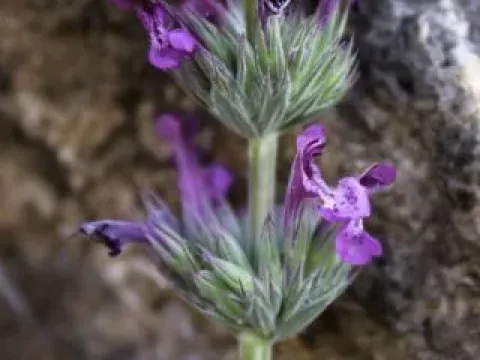
Nepeta apuleii
Nepeta apuleii
Seeding Nepeta apuleii should be performed in early spring, once the soil temperature consistently reaches 8–10°C. In milder regions, autumn sowing can also be considered to allow early germination as soon as the weather warms up.
What the section contains
Nepeta apuleii
The seeds are small, so they should be sown at a shallow depth of approximately 0.5–1 cm. Row spacing is typically kept between 45–60 cm to allow for proper mechanical cultivation and to ensure adequate sunlight for each plant.
A seeding rate of 2–3 kg per hectare is generally sufficient to achieve an optimal stand density. Quality seedbed preparation is crucial; the soil should be fine and firm to ensure uniform emergence across the field.
Germination usually occurs within 14–21 days. During the early development stage, managing weed competition is vital because the young seedlings are slow to establish their root system.
As a perennial crop, Nepeta apuleii requires careful initial establishment to ensure longevity. Once the roots are well-developed, the plants form a competitive canopy that suppresses weeds naturally in subsequent years.
Nepeta apuleii belongs to the Lamiaceae family and is highly valued for its drought resistance. It thrives in sunny locations with well-drained soil, avoiding heavy, waterlogged sites that can lead to root issues.
The plant prefers a neutral pH range of 6.5 to 7.5. It is quite versatile regarding soil types, provided that the ground offers excellent aeration, which is essential for the healthy development of its root system.
While the plant is hardy and drought-tolerant, moderate watering during the intensive vegetative growth phase can significantly improve biomass yield. Excess moisture should always be avoided to prevent fungal infections.
In terms of fertilization, balanced applications of phosphorus and potassium are recommended during the budding stage to enhance essential oil production. Nitrogen should be used sparingly to prevent excessive foliage growth at the expense of oil quality.
This species shows great adaptability to various climates and has good winter hardiness. In regions with very harsh winters, providing a thin layer of mulch can help protect the crown and ensure vigorous spring growth.
The most common disease affecting Nepeta apuleii is powdery mildew, particularly under conditions of high humidity and poor air circulation. Proper planting density is the primary defense strategy for this issue.
Root rot can occur if the soil remains saturated for extended periods. Establishing a robust drainage system before planting is a critical preventive measure for long-term crop health.
Pests such as aphids and leaf beetles can cause damage during the active growing season. Regular field monitoring is essential to detect pest activity before it reaches economic injury levels.
Mechanical cultivation between rows not only controls weeds but also disrupts the life cycles of soil-dwelling pests. This practice reduces the reliance on chemical insecticides and maintains soil health.
Implementing a sound crop rotation strategy is vital to avoid soil-borne pathogens. Rotating Nepeta apuleii with crops that do not share the same disease profiles helps maintain a healthy and productive field over time.
Harvesting should take place during the peak flowering stage, which is when the concentration of essential oils in the plant tissues is at its highest. It is best to harvest on clear, dry days after the morning dew has evaporated.
The plants are cut at a height of 10–15 cm from the ground. This height is optimal for ensuring rapid regrowth of the biomass and maintaining the long-term vitality of the perennial crown.
Prompt processing after harvest is essential; the raw material must be dried quickly in a well-ventilated, shaded area to prevent self-heating and loss of volatile aromatic compounds.
Once fully dried, the plant material is threshed to separate the valuable leaves and flower heads from the tougher woody stems. Clean storage in light-protected containers is necessary to preserve the quality.
With correct management, the plantation can remain productive for 5–7 years. Post-harvest fertilization helps the plants recover quickly, ensuring consistent yields throughout the productive life of the crop.