
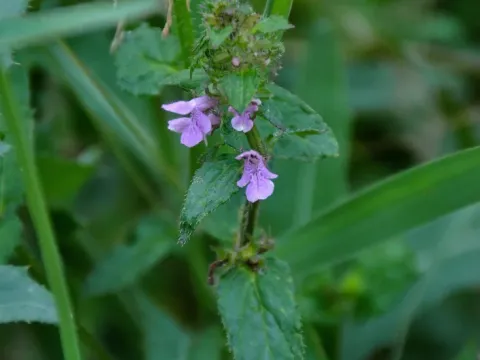
Rieder's hedge-nettle
Stachys riederi
The planting of Stachys riederi is typically scheduled for early spring once the threat of severe ground frosts has receded and the soil warms up.
What the section contains
Rieder's hedge-nettle
Seeds require proper preparation, including cold stratification, to ensure a high germination rate and uniform plant emergence in the field.
Sowing in containers is recommended for commercial growers, starting in late winter to establish strong seedlings before the main planting season.
Direct field sowing requires precise spacing of about 45 centimeters between rows to allow sufficient light penetration and airflow for the growing plants.
Seed depth should be kept shallow, not exceeding 2 centimeters, as the small seeds of this species require light to trigger optimal germination.
As a member of the Lamiaceae family, Stachys riederi thrives in well-drained, fertile soil with a neutral to slightly acidic pH range.
The plant prefers sunny environments but demonstrates high adaptability to partial shade without significant decline in vegetative growth.
Water management is critical; while the plant is hardy, it requires consistent moisture during the early growth stages to establish its root system.
Proper soil aeration is essential, and growers should avoid sites prone to waterlogging to prevent root suffocation and subsequent decay.
The species is highly tolerant of varying climatic conditions, showing excellent winter hardiness in temperate agricultural regions.
The biomass yield is significantly enhanced by balanced nitrogen and phosphorus fertilization during the primary vegetative growth period.
Plants become most productive from their second year onward, capable of yielding multiple harvests of raw material per season if maintained well.
Sustainable yield management involves rotating crops or thinning out older sections of the plantation after 5 years to maintain soil fertility.
Regular weeding and inter-row cultivation play a major role in maximizing harvest volumes by reducing competition for nutrients.
Measuring yield efficiency includes evaluating both the dry weight of the harvest and the concentration of essential oils within the leaves.
Fungal pathogens such as powdery mildew represent a significant risk, particularly in high-humidity climates or crowded planting schemes.
Root rot caused by poor soil drainage remains the most common physiological disorder affecting the longevity of Stachys riederi stands.
Pests like aphids can cause damage during the spring growth flush, necessitating early monitoring and the application of organic pest controls.
Maintaining a clean field environment by removing old plant debris is a vital practice for preventing the carry-over of pathogens between seasons.
Integrated pest management protocols should be implemented to ensure that the quality of the herbal material meets industry standards.
Harvesting is best conducted during the full flowering stage, when the plant's essential oils and active compounds are at their peak concentration.
Leaves and flowering stems should be cut using clean, sharp tools, leaving enough basal material to allow for rapid regrowth after the harvest.
Immediate post-harvest processing involves moving the material to a dry, shaded area to prevent oxidation and the loss of aromatic compounds.
Drying temperatures should be strictly controlled, kept below 40 degrees Celsius to maintain the medicinal and cosmetic quality of the product.
Post-harvest care includes a final light fertilization to support the plants in preparing for the dormancy period and ensuring vitality for the next year.