
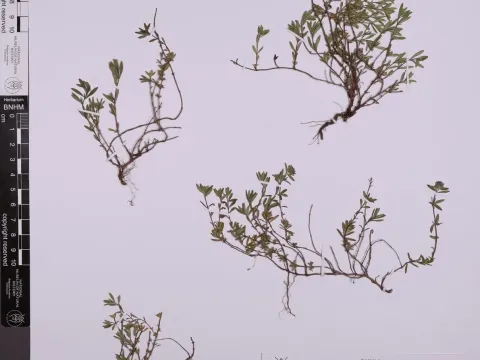
Roegner's thyme
Thymus roegneri
The cultivation of Roegner's thyme begins with precise sowing, which is best performed in early spring or late autumn. The seeds are extremely small, requiring a shallow placement of no more than 0.5 cm in the soil to ensure successful germination.
What the section contains
Roegner's thyme
Professional growers often opt for the seedling method, starting the seeds in greenhouses during late winter. This approach creates stronger transplants that establish themselves more effectively when moved to the open field in mid-spring.
For direct seeding, a row spacing of 45 to 60 cm is recommended to facilitate mechanical weeding and ensure optimal airflow between the plants. Within the row, plants should be spaced 20–30 cm apart to prevent competition for nutrients.
Proper soil moisture must be maintained during the initial two-week period after sowing. Once the seeds germinate and the first true leaves emerge, irrigation can be reduced to encourage deep root system development.
Using row covers or light mulch during the first weeks can significantly improve germination rates by protecting the soil from crusting and temperature fluctuations, which is crucial for such a delicate crop.
Roegner's thyme is a light-demanding member of the Lamiaceae family. It requires full exposure to sunlight throughout the day to maximize the production of its essential oils and ensure healthy, compact growth.
This species thrives in light, well-draining soils with a neutral or slightly alkaline pH. Heavy, compacted, or poorly drained soils are unsuitable and often lead to fatal root rot issues, especially during rainy seasons.
The plant demonstrates excellent drought tolerance once established, making it a sustainable choice for arid or semi-arid agricultural regions. It requires minimal irrigation compared to other commercial vegetable crops.
Optimal growth temperatures for this species range between 18 and 25 degrees Celsius. It exhibits significant winter hardiness, allowing it to survive temperate winters provided there is adequate drainage in the field.
Site selection should prioritize elevated or sloped plots to naturally enhance soil drainage. Clearing the field of perennial weeds prior to planting is essential, as young thyme plants can be easily outcompeted in their early stages.
Commercial productivity of a Roegner's thyme field typically peaks during the second and third years. With proper management, a plantation can remain economically viable for up to seven years before needing replacement.
Harvesting for essential oil production is timed precisely to the mid-flowering stage, as this is when the concentration of volatile compounds in the aerial parts is at its absolute peak for pharmaceutical and aromatic use.
To maximize yields, growers implement controlled fertilization focusing on potassium and phosphorus during the budding phase. Excessive nitrogen must be avoided, as it stimulates vegetative growth at the expense of oil quality.
Implementing drip irrigation systems can increase biomass production by 20–30% in drier regions. This method also minimizes water loss and reduces the risk of fungal infections by keeping the foliage dry.
The annual yield depends on the number of cuts per season, which is determined by climate conditions. In favorable years, a second partial harvest can be achieved if the plants receive sufficient water after the first cut.
The primary threats to Roegner's thyme plantations are fungal pathogens such as Fusarium wilt and powdery mildew. These diseases thrive in environments with poor air circulation and excessive soil moisture.
Pests such as aphids and spider mites can occasionally cause damage by feeding on young, tender shoots. Their presence can significantly reduce the marketable quality of the crop and stunt overall plant vigor.
Preventative measures include maintaining clean field margins and ensuring optimal plant density. Proper spacing is the most effective way to prevent the stagnant, humid air conditions that promote disease development.
When necessary, biological pest control agents are preferred to protect the herb's status as a high-quality product. Chemical interventions should only be used as a last resort, strictly adhering to pre-harvest intervals.
Regular field scouting is essential during the active growing season. Early detection of pest or disease clusters allows for targeted management, effectively preventing the need for broad-spectrum chemical application.
Harvesting Roegner's thyme requires precision, typically using mechanical harvesters or manual sickles. The stems should be cut 5–8 cm above the ground to preserve the crown and ensure rapid regrowth for subsequent cuts.
To ensure high-quality material, harvesting must take place during dry, sunny weather after the morning dew has evaporated. Wet material is highly susceptible to molding and rapid degradation of its aromatic properties.
Immediate post-harvest processing involves drying the plant material in shaded, well-ventilated areas or in specialized dehydration units set to 35–40 degrees Celsius. Higher temperatures will cause the essential oils to evaporate.
Once dried, the product should be stored in cool, dark, and dry conditions to prevent photo-oxidation of the aromatic compounds. Proper storage is crucial for maintaining the herb's potency for commercial use.
Final quality control involves cleaning the dried herb of any remaining weeds, woody stems, or foreign debris. This final processing step is vital for meeting industrial and culinary standards for high-quality thyme.