
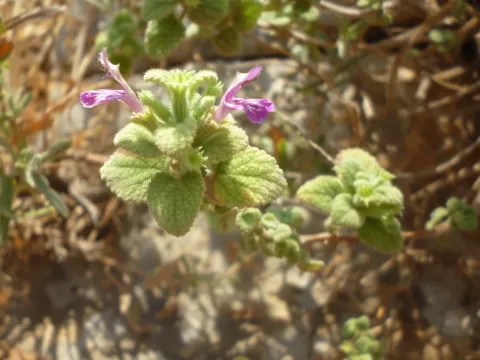
Rock ballota
Ballota saxatilis
Rock ballota (Ballota saxatilis) is a perennial herbaceous plant belonging to the Lamiaceae family. It is recognized for its adaptation to rugged, mountainous environments, making it a potential candidate for marginal land cultivation.
What the section contains
Rock ballota
The crop thrives in well-drained, rocky, or calcareous soils where other agricultural plants often struggle. Its drought resistance is a key agronomic feature, reducing the necessity for intensive irrigation systems in arid regions.
Cultivation requires full sun exposure to ensure the proper development of its essential compounds. Partial shade negatively affects the density of the foliage and the overall biomass yield of the plant.
Agricultural management should focus on maintaining soil aeration and preventing waterlogging, which is detrimental to the root system of this species. Standard soil preparation involves deep plowing to support deep root penetration.
Botanically, it features a characteristic branched structure with dense, pubescent leaves. These hairs are an evolutionary adaptation to preserve moisture, contributing to the plant's high resilience in harsh climates.
Root rot diseases are the most significant threat to Ballota saxatilis. These occur primarily due to poor drainage or excessive soil moisture during the dormant season, which stresses the plants.
Pests such as aphids and certain types of beetles can colonize the flowering tops. Monitoring the plant health during the rapid spring growth phase is essential for maintaining crop quality.
Fungal pathogens targeting the leaves can become problematic during periods of high humidity and poor air circulation within the field. Maintaining proper row spacing helps mitigate this risk.
Weed management is vital during the establishment phase, as the young plants are slow to develop and may be easily overtaken by aggressive native grasses or invasive weeds.
Rodent activity can occasionally pose a threat during winter by gnawing on the root collars of dormant plants. Installing perimeter protection or using deterrents can help maintain stand density.