
Roemer's sage
Salvia roemeriana
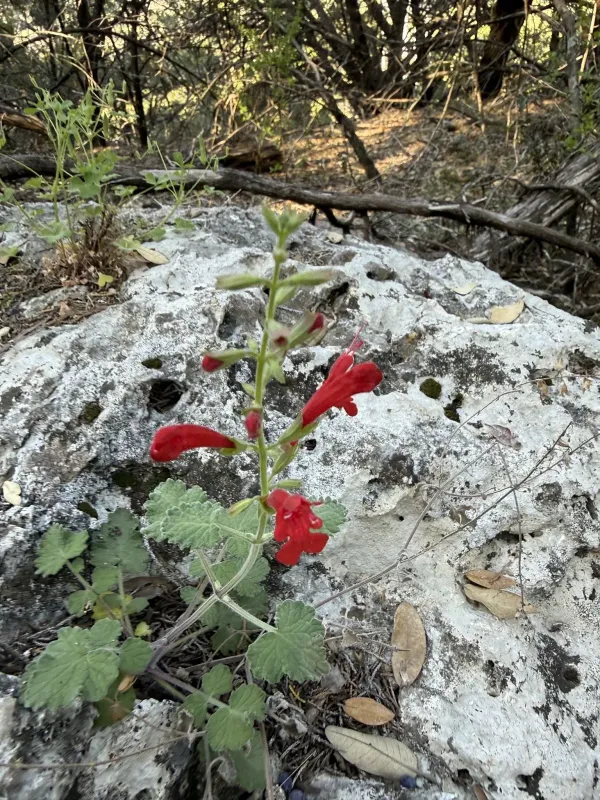
Description
Sowing dates
Sowing of Roemer's sage seeds is best performed during the spring season once the soil has warmed up to an optimal germination temperature.
For greenhouse cultivation, seeds should be sown in trays approximately eight weeks before the final frost to establish a robust root system.
The seeds require light to germinate, so they should be sown on the surface of the growing medium without covering them with a thick layer of soil.
Proper spacing is crucial when transplanting seedlings into the field to prevent overcrowding and ensure adequate airflow for each individual plant.
Maintaining consistent moisture in the seedbed is vital until germination occurs, after which the watering regime should be adjusted to promote hardening.
Growing requirements
Roemer's sage is a herbaceous perennial belonging to the Lamiaceae family, naturally occurring in the shaded woodland areas of Texas.
This species thrives in partial shade, making it an excellent choice for garden zones that do not receive direct sunlight throughout the entire day.
The ideal soil for this crop is well-drained, slightly fertile, and neutral in pH, preventing the risk of waterlogging which the plant does not tolerate.
It has moderate water requirements, necessitating regular irrigation during dry spells, especially while the plant is establishing itself in the garden.
In terms of temperature, it prefers mild conditions and may require light mulch or covering in colder climates to protect the crown during winter.
Main diseases and pests
The primary threats to Roemer's sage include fungal infections such as root rot and powdery mildew, often resulting from poor drainage or excessive humidity.
Preventative measures should focus on site selection, ensuring there is sufficient air circulation around the foliage to minimize the impact of pathogens.
Pests such as aphids and spider mites can become problematic during hot, dry periods, potentially damaging the aesthetic quality of the plants.
Integrated pest management strategies, including the use of horticultural oils or insecticidal soaps, are effective if outbreaks are detected early.
Cultural practices like pruning dead foliage and removing weeds from the planting bed are essential to keep the crop vigorous and resistant to stress.