
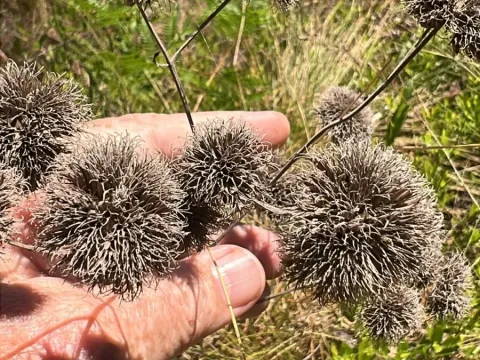
Pycnanthemum
Pycnanthemum Michx.
Pycnanthemum is a perennial herb that can be propagated effectively through both seeds and vegetative division of the root system during the early spring.
What the section contains

Pycnanthemum
When starting from seeds, sow them in containers in early spring under a light-permeable medium, as they require light to germinate properly and efficiently.
Transplanting into the field occurs once the danger of late frost has passed and the soil has reached an optimal temperature for root development.
Space the plants approximately 30–40 centimeters apart to ensure adequate airflow and prevent overcrowding, which is essential for healthy plant growth.
Consistent soil moisture must be maintained during the initial establishment phase to encourage deep root growth and survival of the seedlings.
This crop thrives best in full sun, although it can tolerate partial shade, provided that the soil conditions remain favorable for its development.
The soil should be well-draining, fertile, and slightly acidic to neutral to support the robust growth of the mountain mint rhizomes throughout the season.
Pycnanthemum shows remarkable drought tolerance once established, making it a suitable crop for areas with variable rainfall patterns and water scarcity.
It is winter-hardy and can withstand significant temperature drops, which allows for consistent yields even in cooler climates without excessive protection.
Avoid planting in waterlogged or compacted soils, as poor drainage will lead to root rot and decrease the overall productivity of the crop significantly.
The primary threats include fungal diseases such as leaf spots and root rots, which usually occur when humidity is excessively high and air circulation is low.
Insect pests like aphids and spider mites can occasionally affect the foliage, particularly during extended periods of heat and drought throughout the summer.
Good agricultural practices, such as proper spacing and removal of debris, are the most effective strategies for preventing disease outbreaks in the field.
Integrated pest management, including the use of beneficial insects, can help maintain the health of the plants without relying solely on chemical treatments.
Monitoring the fields regularly allows for early detection of potential issues, ensuring that corrective measures can be applied before damage becomes severe.
Harvesting should coincide with the peak flowering stage to ensure the highest quality and concentration of essential oils within the leaves and stems.
Cut the stems several inches above the ground to allow for rapid regrowth of the plants, enabling a sustainable harvesting schedule throughout the season.
Drying the harvested material quickly in a cool, dark, and well-ventilated area is essential to preserve the aromatic quality and medicinal potency of the herb.
With proper care and environmental conditions, multiple harvests are possible, significantly increasing the yield potential of the Pycnanthemum plantation.
Ensure the dried leaves are stored in airtight containers away from direct sunlight to maintain the integrity of their aromatic compounds for longer periods.