
Frivaldsky's horehound
Marrubium friwaldskyanum
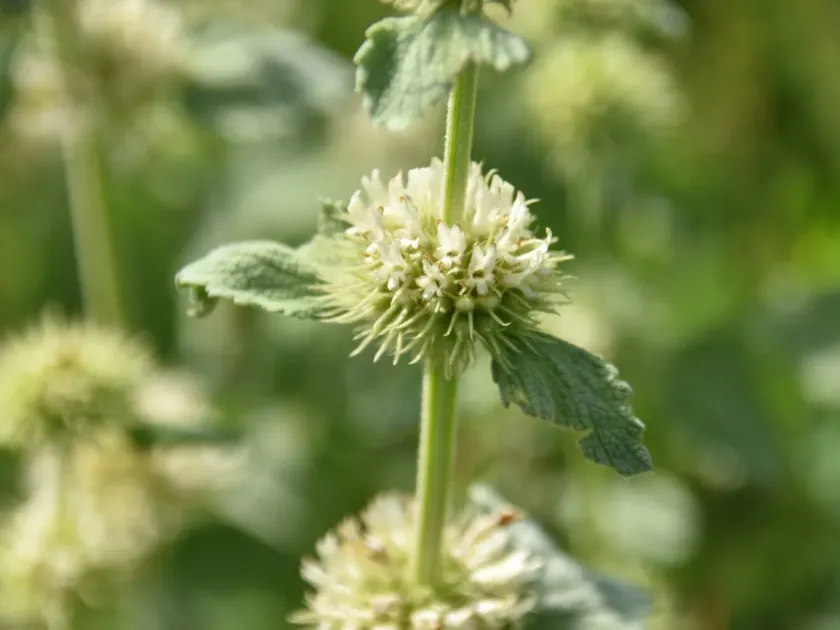
Description
Sowing dates
The sowing of Frivaldsky's horehound seeds is best performed in early spring once soil temperatures reach a consistent 8–10 degrees Celsius for optimal germination.
In regions with milder winter climates, late autumn sowing can be employed, allowing the seeds to undergo natural stratification for more uniform growth in spring.
Seeds are relatively small and should be sown at a depth of no more than 1 cm, with row spacing maintained at 40–50 cm to ensure proper airflow around the plants.
Proper soil preparation is crucial; the surface should be fine-textured and free of perennial weeds to prevent competition during the delicate early growth stages.
For enhanced seedling emergence, pre-treating seeds with growth stimulants is highly recommended to improve overall vigor and stress tolerance.
Growing requirements
Belonging to the Lamiaceae family, Frivaldsky's horehound thrives in full sun, requiring maximum light exposure throughout the day to ensure healthy development.
The ideal soil profile for this species includes well-drained, slightly calcareous, or sandy substrates, as it is highly sensitive to waterlogging and poor aeration.
As a xerophytic plant, it displays excellent drought tolerance, requiring minimal irrigation once established, though moderate water is beneficial during active growth.
Temperature management is straightforward, as the plant prefers ranges of 20–25 degrees Celsius and exhibits impressive resilience against moderate temperature fluctuations.
Protecting the plants from excessive humidity is vital, as stagnant moisture can cause rapid decline or root rot in this species adapted to drier environments.
Yield
The yield of green mass for Frivaldsky's horehound is dictated by soil nutrient levels and the consistency of agricultural management practices applied during the season.
Under favorable cultivation conditions, growers can expect harvests ranging from 15 to 25 centners per hectare of dried herbal material in high-intensity production.
Yields typically peak during the second and third years of cultivation as the plants reach full maturity and establish extensive, robust root systems.
Regular application of balanced potassium and phosphorus fertilizers supports plant health and optimizes the production of essential secondary metabolites.
Effective plantation management allows for productive harvesting cycles over several years before it becomes necessary to re-establish the crop on the site.
Main diseases and pests
The primary threats to Frivaldsky's horehound include fungal pathogens, such as powdery mildew, which thrive in conditions of high atmospheric humidity and poor ventilation.
Common pests, including aphids and spider mites, may infest plants, potentially weakening them and necessitating targeted, early-stage intervention.
Cultural control measures, such as maintaining proper spacing and ensuring adequate soil drainage, serve as the first line of defense against most biological threats.
Weed control is of utmost importance during the first few months, as the young seedlings are slow to establish and can easily be outcompeted by aggressive weeds.
Strict observation of ecological safety standards is necessary when using plant protection products to ensure the quality of the harvested herbal raw material.
Harvesting
The harvest period should coincide with the plant's mass flowering phase, as this is when the concentration of essential oils and active compounds is highest.
Stems are cut at a height of approximately 10–15 cm, facilitating quick regeneration of the plant and allowing for potential secondary harvests later in the year.
Collected plant material must be dried immediately in a shaded, well-ventilated location to prevent the loss of volatile compounds through overheating.
Drying temperatures must be carefully regulated and kept below 40 degrees Celsius to maintain the product's color, aroma, and overall pharmaceutical quality.
Post-harvest handling includes cleaning and packaging the material in dry, cool conditions to protect it from moisture, contaminants, and degradation during storage.