
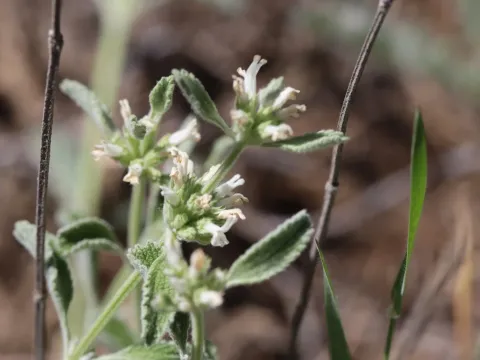
Horehound
Marrubium parviflorum
Horehound cultivation typically begins in early spring once the danger of frost has passed and soil temperatures have stabilized. Seeds are small and require shallow sowing, barely covered with fine soil to ensure proper germination and light access.
What the section contains
Horehound
For large-scale cultivation, drilling seeds in rows spaced 50–60 centimeters apart allows for effective weed control and mechanical cultivation. Consistent moisture is vital during the germination phase to support the delicate root system.
Fall sowing is an alternative in milder climates, allowing for early spring growth and more efficient use of winter moisture. Seeds planted in autumn often exhibit higher vigor due to the natural stratification provided by winter cold.
Thinning is necessary once seedlings reach a height of 5 centimeters to prevent overcrowding. Ensuring adequate spacing is fundamental to the long-term health and productivity of the herb stand throughout its life cycle.
Crop rotation practices should be followed strictly to prevent soil depletion and pathogen accumulation. Planting after cereal crops or legumes is generally considered optimal for establishing a productive and healthy horehound field.
Horehound thrives in full sun, which is essential for maximizing the concentration of essential oils and active botanical compounds. Shaded areas often result in leggy plants and reduced medicinal efficacy of the foliage.
The plant is highly drought-tolerant once established but requires consistent irrigation during its initial growth stages. Well-drained soil is non-negotiable, as waterlogged conditions quickly lead to root rot and plant mortality.
Light, sandy or loamy soils with good aeration are best suited for horehound. If the local soil is heavy or compacted, integrating organic matter such as compost or sand can significantly improve drainage and root development.
A neutral to slightly alkaline pH is ideal for this herb. Regular monitoring of soil chemistry is recommended, with corrective liming applied if the soil turns too acidic, which could hinder nutrient uptake.
Temperatures ranging from 18 to 25 degrees Celsius are considered optimal for vegetative growth. The plant is hardy and capable of surviving fluctuating temperatures, making it a reliable perennial in various temperate regions.
Yield expectations for horehound are generally consistent, with an average output of 15 to 25 centners of dry herbal mass per hectare. Productivity is influenced primarily by soil fertility and the frequency of field maintenance.
Plants reach peak yield efficiency during their second and third years of growth as the root systems become fully established. During this phase, biomass accumulation is maximized, allowing for highly profitable harvesting operations.
Balanced organic fertilization promotes strong, healthy growth without the excessive nitrogen levels that could compromise the herb's quality. Careful soil management ensures that the plant has access to essential micronutrients.
Manual or mechanical weeding in the early growth stages is vital to prevent competitive loss to invasive weed species. A weed-free field allows the horehound to allocate all its energy toward biomass production.
Consistent quality control during the growth season ensures that the harvested raw material meets industry standards for pharmaceutical applications. High-quality output is key to maintaining market demand and commercial success.
Root rot remains the primary threat to horehound, particularly in areas with poor drainage or during periods of excessive rainfall. Mitigation involves maintaining strict soil moisture control and implementing effective drainage structures.
Powdery mildew may manifest as a white coating on the leaves during periods of high humidity and poor airflow. Increasing plant spacing and improving field ventilation are effective cultural practices to curb this fungal infection.
Pests such as aphids and spider mites can infest tender shoots, requiring vigilant monitoring. Integrated pest management, favoring natural predators and bio-insecticides, is the preferred method for maintaining an eco-friendly crop.
Early detection through frequent field inspections is crucial for preventing significant crop damage. Prompt removal of any symptomatic plants helps in containing local outbreaks of disease or pest populations.
Environmental stress can weaken the plants, making them more susceptible to pests. Providing optimal growing conditions and maintaining soil health remain the best defensive strategies against both biological and environmental threats.
Harvesting is performed during the peak flowering stage to capture the highest concentration of active ingredients in the aerial parts of the plant. A sunny, dry day should be chosen to ensure that the foliage is free from morning dew.
Cutting the stems approximately 10–15 centimeters above the ground allows for a clean harvest while ensuring the plant can regenerate for the next season. Modern machinery can streamline this process in large agricultural settings.
Immediate processing is essential to prevent heat buildup and the loss of volatile essential oils. Harvested biomass should be transported quickly to the drying facility to ensure maximum quality preservation.
Drying must take place in well-ventilated, shaded areas or industrial dryers at low temperatures to prevent degradation. Proper drying preserves the herb's characteristic aromatic profile and natural green color.
Following the drying process, the material is cleaned, sorted, and packed into protective storage containers. Stringent quality standards ensure that the final product remains potent and effective for end-user applications.