
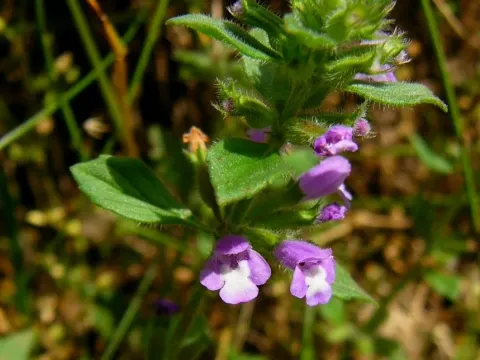
Clinopodium corsicum
Clinopodium corsicum
Sowing Clinopodium corsicum seeds should be performed in the spring when soil temperatures reach 12–15 degrees Celsius. The crop is sensitive to cold, so early spring sowings often benefit from protective glass or film structures to ensure high germination rates.
What the section contains
Clinopodium corsicum
Using the seedling method is recommended for better control; seeds are sown in trays during March in a well-drained, lightweight growing medium. Once the risk of frost has passed, usually by late May, the seedlings are hardened off and transplanted to the field.
Plant spacing should be adjusted to allow for adequate airflow, with a standard distance of 25–30 cm between plants. Rows should be spaced 45–50 cm apart to facilitate mechanical weeding and access for harvesting operations.
Seeds are very small and should be sown at a shallow depth of approximately 0.5 to 1 cm. Firming the soil surface gently after sowing helps to improve moisture transfer and ensures better contact between the seed and the soil particles.
As a perennial species, early-stage development is relatively slow. Ensuring the seedbed is free of weeds during the first weeks after germination is vital for the survival and establishment of the young plants.
Clinopodium corsicum belongs to the Lamiaceae family and thrives in areas with full sun exposure. Sunlight is a critical factor for the synthesis of volatile oils, which define the plant's aromatic properties and commercial value.
The ideal soil conditions are well-drained, sandy, or light loamy soils. The plant cannot tolerate waterlogged conditions, as its root system is highly susceptible to rot when exposed to excessive moisture for prolonged periods.
A neutral pH level, ranging from 6.0 to 7.0, is optimal for nutrient uptake. Soil testing is recommended before planting to ensure that there are no significant imbalances that could inhibit growth or cause chlorosis.
While the plant shows moderate drought tolerance once established, consistent irrigation during the peak growing season, particularly during flower bud initiation, is necessary to maximize the production of aerial biomass.
In regions experiencing harsh winters, protection such as mulching or covering the base of the plants is required. This practice preserves the perennial structure and ensures regrowth in the following season.
Root rot, driven by poor drainage and excessive soil moisture, is the primary threat to this crop. Growers must prioritize soil drainage and proper irrigation management to mitigate the risk of losing entire stands to fungal infections.
Powdery mildew is a common issue in dense plantings with poor circulation. Regular thinning and removing dead or lower leaves can improve the microclimate, effectively reducing the chances of spore germination and spread.
Aphids can be a significant pest, particularly during periods of rapid leaf growth. Integrated pest management, focusing on biological controls and careful monitoring, is preferred to maintain the quality of the aromatic harvest.
The spider mite is another potential threat during hot and dry spells. These pests damage the leaves and reduce the plant's overall vigor, which subsequently lowers the content of essential oils in the harvested material.
Implementing a strict crop rotation schedule is essential for disease suppression. Avoiding the replanting of Clinopodium corsicum on the same site for at least three to four years helps to break the life cycles of soil-borne pathogens.