
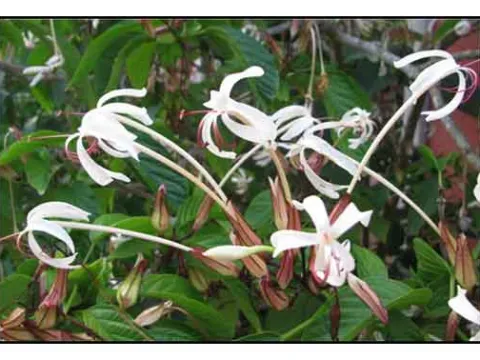
Clerodendrum minahassae
Clerodendrum minahassae
Clerodendrum minahassae is a distinctive species within the Lamiaceae family, native to the tropical forests of the Minahassa Peninsula in Sulawesi, Indonesia. As a tropical evergreen shrub or small tree, it is naturally adapted to high-humidity environments and consistent temperatures found in equatorial regions.
What the section contains
Clerodendrum minahassae
Successful cultivation of this species requires well-drained, humus-rich soil that mimics the forest floor. Providing adequate aeration for the root system is essential, as the plant is susceptible to root rot if the substrate remains waterlogged for extended periods. A balanced potting mix with organic amendments is recommended for controlled environments.
Environmental conditions must strictly adhere to tropical standards, with daytime temperatures ideally ranging between 22 and 28 degrees Celsius. Light requirements include bright, filtered sunlight; exposure to intense, direct radiation can cause foliar dehydration and leaf necrosis, particularly in younger specimens.
The botanical structure of the plant features opposite leaves and complex inflorescences that attract various pollinators in their native range. Horticultural management involves regular pruning to maintain an aesthetic shape and the application of balanced NPK fertilizers during the peak growing season to support biomass production.
Regarding its utility, Clerodendrum minahassae is primarily cultivated as an ornamental specimen in botanical gardens and private tropical greenhouse collections. Its aesthetic value is derived from its unique floral structure, making it a subject of interest for plant breeders focusing on underutilized tropical species.
Common pests affecting this species include spider mites and mealybugs, which thrive in environments where humidity levels are inconsistent. Effective pest control involves routine inspection of the leaf undersides and the implementation of integrated pest management (IPM) practices.
Fungal pathogens such as powdery mildew or leaf spot diseases may occur if airflow is insufficient. Maintaining adequate distance between plants and ensuring low relative humidity during the evening hours are primary preventive measures against these common horticultural threats.