
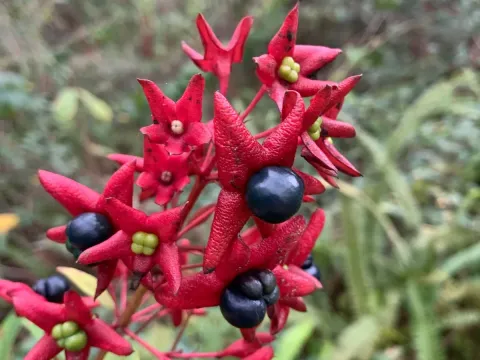
Clerodendrum indicum
Clerodendrum indicum
Clerodendrum indicum, commonly known as the Turk's turban or tube flower, belongs to the Lamiaceae family. It is a tropical perennial that is typically propagated through seeds or division of root suckers in agricultural settings.
What the section contains
Clerodendrum indicum
The optimal sowing time occurs in spring when temperatures are consistently warm. In nurseries, seeds are sown in nutrient-rich, organic-based substrate to ensure vigorous initial growth of the seedlings.
Vegetative propagation via root cuttings or suckers is a preferred method for commercial cultivation to maintain genetic consistency. These cuttings are usually planted in moist, prepared soil during the dormant season.
Seeds may require stratification or soaking to improve germination rates. Planting depth should be minimal, generally around one centimeter, to allow sufficient light penetration for the small seeds.
Consistent moisture levels must be maintained until the seedlings develop their first true leaves. Proper spacing during the initial transplantation phase is crucial for healthy root system development.
As a native of tropical Asia, this crop requires a warm climate. It thrives in temperatures ranging from 20 to 30 degrees Celsius and does not tolerate frost or cold drafts.
Full sun to light partial shade is essential for the plant to achieve its potential growth and floral display. It requires well-drained, fertile soil with a slightly acidic to neutral pH balance.
Watering must be frequent during the growing season to keep the soil moist but not waterlogged. Poor drainage often leads to root rot, which is the most significant physiological threat to the crop.
Fertilization with balanced NPK formulas supports both leaf and root biomass accumulation. During the peak of the growth season, organic amendments can further enhance the structural integrity of the plant.
Good ventilation in the growing area is vital to prevent humidity-related issues, especially when the plant is grown in high-density greenhouse or plantation conditions.
Clerodendrum indicum is cultivated primarily for its medicinal value. The leaves and roots contain various secondary metabolites that are highly sought after in the pharmaceutical industry.
The yield is evaluated based on the dry weight of the harvested biomass. Strategic pruning after the flowering stage encourages denser branching, which directly increases the subsequent yield of foliage.
Harvesting typically occurs when the plant is in its peak vegetative state or at the initiation of flowering, as these stages correspond to the highest concentration of active therapeutic compounds.
Commercial plantations utilize specific planting densities to optimize light and nutrient distribution. Proper field management ensures a consistent quality of harvest year over year.
Post-harvest processing, including controlled drying and milling, is critical to preserve the integrity of the chemical components within the plant tissues.
Spider mites and mealybugs are the primary pests that threaten Clerodendrum crops, particularly in environments with low air humidity and high temperatures.
Fungal pathogens such as root rot and powdery mildew are common issues. These are often caused by excessive irrigation and lack of adequate air circulation within the plant canopy.
Effective pest management involves regular field scouting and the application of integrated pest management practices, including biological controls or targeted, low-toxicity insecticides.
Sanitation practices, such as the removal of dead or infected plant debris, are essential to prevent the spread of soil-borne pathogens across the cultivated area.
Maintaining a balanced irrigation schedule is the most effective preventative measure against the most prevalent physiological and pathogenic diseases affecting the crop.