
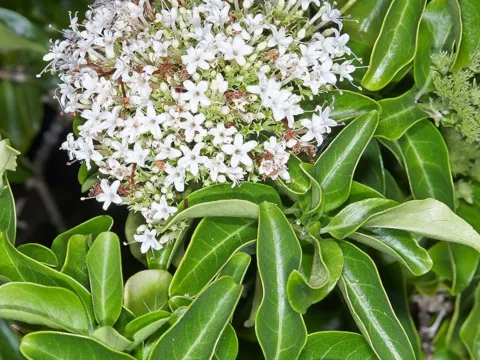
Clerodendrum glabrum
Clerodendrum glabrum
Clerodendrum glabrum is a perennial woody plant species belonging to the Lamiaceae family. Native to tropical Africa, it is commonly found in coastal forests, bushlands, and diverse savanna environments where it plays a significant role in local ecosystems.
What the section contains
Clerodendrum glabrum
The plant thrives in a variety of soil types, preferring well-drained, nutrient-rich substrates. While it possesses inherent drought tolerance, consistent moisture availability is required to ensure optimal biomass production and healthy crown development throughout the growing season.
This species is photophilous and requires substantial sunlight to maintain its vigor, though it can tolerate partial shade in its early development stages. Temperature management is crucial, as the plant is not frost-tolerant and thrives best in warm, tropical, or subtropical climates.
Botanically, C. glabrum is distinguished by its glossy, opposite leaves and clusters of fragrant flowers that attract various pollinators. Economically, the plant is valued for its durable timber, medicinal properties of its foliage, and its use in creating effective windbreaks in agroforestry systems.
Standard agronomic practice involves periodic pruning and fertilization to support sustained growth. The plant’s ability to stabilize soil makes it an excellent candidate for land restoration projects and sustainable agricultural landscape management.
The health of Clerodendrum glabrum is primarily challenged by sap-sucking insects, including aphids and spider mites. These pests can severely inhibit shoot development and overall plant vitality if infestations are left unchecked during dry periods.
Fungal infections, such as powdery mildew and various leaf spot diseases, represent a major threat, especially in high-humidity conditions. These pathogens flourish where air circulation within the canopy is restricted or when the ground remains perpetually waterlogged.
Effective pest and disease management requires a proactive approach, utilizing regular canopy thinning to improve airflow and selecting appropriate fungicides or insecticides when economic thresholds of pest population are exceeded.
Sanitation practices, such as removing fallen leaves and pruning dead wood, are essential to reduce the inoculum load of soil-borne or wind-borne pathogens. Maintaining a clean cultivation area significantly decreases the risk of disease spread.
Growers should prioritize monitoring the root zone health, as waterlogging is a primary stress factor that predisposes the plant to secondary infections by opportunist soil fungi or root pathogens.