
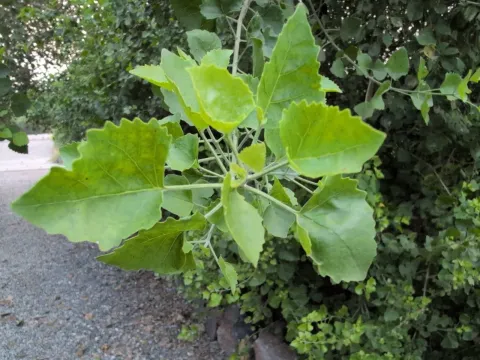
Clerodendrum phlomidis
Clerodendrum phlomidis
Clerodendrum phlomidis is a perennial shrub belonging to the Lamiaceae family, native to the tropical regions of India and Sri Lanka. It is recognized for its medicinal applications and resilience in various environments.
What the section contains
Clerodendrum phlomidis
The plant thrives in full sun and requires well-drained soil to prevent root issues. It is highly drought-tolerant, making it an excellent candidate for regions with scarce water resources or erratic rainfall patterns.
Soil quality is essential for growth; sandy loams with a neutral pH provide the best results for biomass accumulation. Ensuring good drainage is paramount, as waterlogged conditions often lead to decay.
Clerodendrum phlomidis demonstrates significant adaptability to saline conditions, which is a valuable trait for land reclamation projects in arid landscapes.
The vegetative period requires consistent temperatures, usually characteristic of tropical climates, to ensure the production of quality leaves and stems used in pharmaceutical preparations.
Common threats to this crop include fungal pathogens, such as powdery mildew, especially during the humid monsoon season when air circulation is limited within the shrub canopy.
Pests like aphids and spider mites are frequently reported in cultivation. These insects feed on the plant sap, leading to stunted development and reduced potential for harvest.
Management strategies involve the implementation of integrated pest management (IPM), favoring biological control agents to maintain the chemical-free quality of the medicinal plant parts.
Root rot is a significant risk factor associated with poor soil management. Preventive measures include proper spacing between plants and avoiding excessive irrigation during dormant periods.
Regular sanitation, including the removal of dead or infected branches, is crucial for maintaining the vigor and health of the field, reducing the spread of endemic pests and pathogens.