
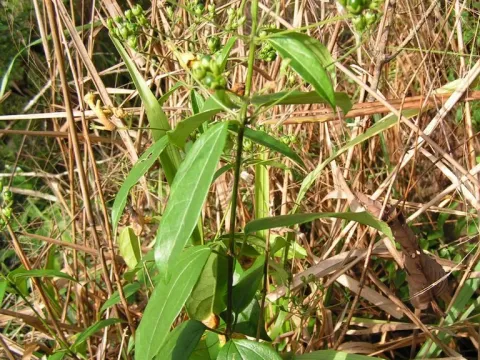
Clerodendrum formicarum
Clerodendrum formicarum
Clerodendrum formicarum is a remarkable species belonging to the Lamiaceae family, originating from the tropical regions of Africa. Known for its myrmecophytic nature, this plant has evolved to form specialized hollow structures that provide habitat for ants, which in return protect the plant.
What the section contains
Clerodendrum formicarum
In a controlled agricultural or horticultural environment, this plant demands high humidity levels, ideally above 70 percent. It thrives best in greenhouses where the climate can be strictly regulated to simulate the warm, humid conditions of the rainforest floor.
The substrate for Clerodendrum formicarum must be nutrient-rich and well-draining. A high-quality potting mix composed of coconut coir, peat moss, and perlite provides the necessary structure and aeration to ensure root health and prevent asphyxiation of the root system.
Temperature management is crucial, with an optimal range between 20 and 28 degrees Celsius. Extreme cold or sudden drafts can be fatal to the plant, leading to significant foliage drop and stunted growth of the stems.
Light requirements for this species include bright, filtered sunlight. Exposure to direct midday sun should be avoided to prevent leaf scorch, while insufficient light levels will result in weak, spindly stems that lack the typical structural integrity of the plant.
Spider mites are the most prevalent pest, particularly in environments with inadequate humidity. Infestations manifest as fine webbing and mottled yellow spots on the leaves, requiring prompt intervention with miticides.
Mealybugs can be found clustered in the leaf axils or near the hollow nodes, extracting sap and weakening the plant. Regular physical inspection and cleaning of the stems are essential components of an integrated pest management approach.
Root rot, primarily caused by Phytophthora or Pythium species, occurs when the substrate remains saturated for too long. Improving drainage and ensuring the soil dries out slightly between waterings is the best preventative strategy.
Scale insects present a challenge by attaching themselves to the stems and leaves, often shielded by a hard waxy coating. Using horticultural oils can effectively suffocate these pests without damaging the foliage of the plant.
Fungal leaf spot diseases may occur if water is allowed to sit on the leaf surfaces in a poorly ventilated environment. Ensuring consistent air circulation throughout the growing area is vital to keeping the foliage dry and healthy.