
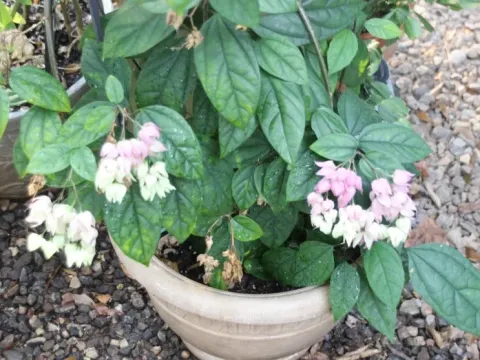
Clerodendrum hybrid
Clerodendrum hybrids
Clerodendrum hybrid belongs to the Lamiaceae family. This ornamental crop is a result of complex cross-breeding of tropical species, designed to exhibit both vigorous growth habits and distinct, long-lasting inflorescences in managed environments.
What the section contains
Clerodendrum hybrid
Originating from tropical regions of Asia and Africa, this crop requires a warm and humid climate to thrive. In agricultural practice, maintaining stable temperature regimes between 20°C and 25°C is essential for optimal physiological activity.
Soil requirements focus on well-draining, nutrient-rich potting media. A mix containing peat, leaf mold, and coarse sand is standard, ensuring a slightly acidic pH level which facilitates efficient nutrient uptake by the roots.
Cultural practices involve moderate irrigation, avoiding soil waterlogging which is detrimental to root health. Plants should be placed in areas with bright, indirect sunlight to prevent foliage scorching while ensuring sufficient energy for floral development.
Commercially, Clerodendrum hybrid is valued for the greenhouse and landscape industry. Its ability to bloom under specific light and feeding programs makes it a highly profitable ornamental crop for wholesale distributors.
Common pests affecting this crop include spider mites, aphids, and scale insects. These organisms thrive in environments with low humidity, necessitating regular monitoring and the prompt application of targeted insecticides or acaricides.
Root rot remains the most significant threat to plant viability. It is primarily caused by over-irrigation or improper drainage, which creates an anaerobic environment favorable for the development of pathogenic fungi.
Powdery mildew can occur in areas with poor airflow and high density. Cultural control methods, such as spacing and proper ventilation, are primary strategies to mitigate fungal pressure before it requires chemical intervention.
Nutrient imbalances, particularly iron or magnesium deficiency, often manifest as leaf chlorosis. Corrective fertilization strategies using chelated micronutrients are standard in professional greenhouse management protocols.
Preventative pruning is a crucial agrotechnical practice. By removing spent wood and crowded branches, producers improve airflow and reduce the potential sites for pest and disease colonization, ensuring high-quality plant stock.