
Clerodendrum disparifolium
Clerodendrum disparifolium
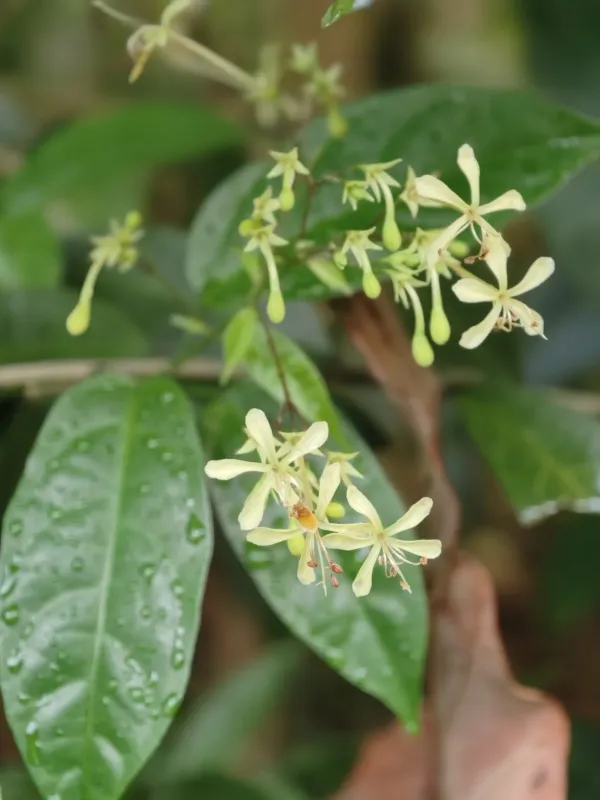
Description
Growing requirements
Clerodendrum disparifolium is a tropical evergreen shrub belonging to the Lamiaceae family. Native to the humid rainforests of Southeast Asia, this species is highly valued for its distinct foliage and unique botanical structure.
The plant requires a strictly tropical climate with consistent temperatures throughout the year. It does not tolerate frost or sudden cold drafts, making it essential to cultivate it in controlled greenhouse environments in temperate regions.
Soil requirements for this crop include a well-draining, nutrient-rich potting medium. The pH should ideally be slightly acidic to neutral. Ensuring the substrate remains porous is critical for gas exchange around the root zone, which supports vigorous growth.
Maintaining high atmospheric humidity is crucial for the health of Clerodendrum disparifolium. In controlled agricultural settings, automated misting systems are often employed to prevent leaf transpiration stress and ensure optimal development.
Proper light management is necessary to maintain the plant's aesthetic value. While it thrives in bright light, exposure to direct, harsh sun often leads to scorching. Therefore, diffused light or 30-50% shade cloth is recommended during peak daylight hours.
Main diseases and pests
Pest management for this crop focuses on common greenhouse invaders such as spider mites, mealybugs, and scale insects. These pests thrive in environments with low airflow and inadequate humidity control, necessitating regular monitoring.
Pathogenic threats include various root rots and fungal leaf spots triggered by waterlogged soil conditions. Implementing strict irrigation protocols and ensuring good air circulation are the primary measures for preventing these fungal outbreaks in professional cultivation.