
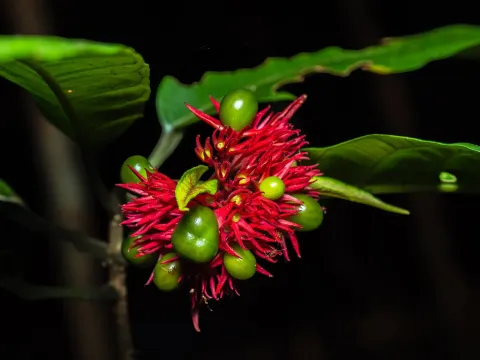
Clerodendrum deflexum
Clerodendrum deflexum
Clerodendrum deflexum is a perennial evergreen plant belonging to the Lamiaceae family. Native to the tropical regions of Southeast Asia, this plant thrives in environments characterized by high humidity and consistent temperatures, making it a specialized crop in greenhouse horticulture.
What the section contains
Clerodendrum deflexum
The climate requirements for this species are strict, necessitating a temperature range of 18°C to 25°C. Exposure to cold drafts or temperatures below 15°C can cause significant physiological stress, leaf drop, and halted growth, which is why it is strictly a container-grown plant in temperate regions.
Soil requirements involve a well-draining, nutrient-rich substrate. A peat-based mix with added perlite or bark is ideal to ensure that the roots receive sufficient oxygen while retaining the necessary moisture levels for optimal growth and flowering cycles.
Agricultural management includes precise irrigation practices. The soil should remain consistently moist but never waterlogged. During the peak growing season, regular fertilization with a balanced liquid fertilizer is required to support the rapid development of its signature hanging inflorescences.
The primary use of Clerodendrum deflexum is in the ornamental plant industry. It is highly sought after for its unique floral architecture, which provides a dramatic cascade of blooms, making it an excellent candidate for large glasshouses and interior professional landscaping.
Spider mites are the most common pest, particularly in controlled environments with low relative humidity. Regular misting and proper air circulation are key preventative measures to keep populations of these arachnids under control.
Whiteflies and aphids may also infest the foliage, especially during the spring growth flush. Integrated pest management strategies, including the use of horticultural oils or soaps, are generally effective if applied at the first sign of infestation.
Root rot, driven by overwatering and poor drainage, represents a major threat to the plant's survival. Once the roots are compromised, recovery is difficult, emphasizing the importance of a strict monitoring schedule for soil moisture.
Fungal leaf spots can occur when the humidity is high but airflow is restricted. Keeping the leaves dry during evening hours and ensuring good ventilation between specimens significantly reduces the incidence of such diseases.
Consistent plant health is maintained through rigorous sanitation practices, such as removing senescent leaves and preventing the buildup of debris on the soil surface. Periodic scouting ensures that any emerging issues are addressed before they impact the plant's decorative value.