
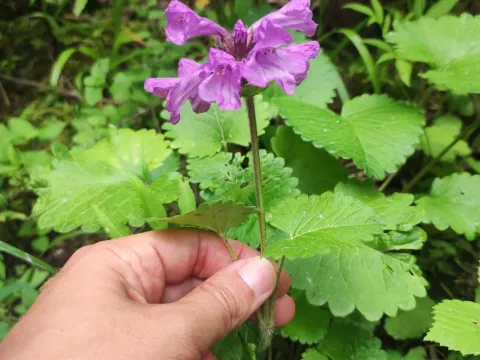
Betonica macrantha
Betonica macrantha
Propagation of Betonica macrantha is most effectively achieved through division of the root clumps. This task is best performed in early spring or late autumn, allowing the plants to establish before the onset of extreme weather.
What the section contains
Betonica macrantha
Seeds can be sown directly outdoors in the autumn, allowing them to undergo natural stratification during winter. For indoor propagation, sow seeds in trays during early spring under controlled temperatures.
Seeds of this species are small and require minimal covering. Light pressing into a moist potting mix is sufficient for germination, which typically occurs within two to three weeks under optimal conditions.
Seedlings should be kept in a well-lit area but shielded from harsh direct sunlight. Consistent moisture levels are vital during the early growth stages to prevent drying out of the delicate root systems.
Once seedlings have developed several true leaves, they can be hardened off and transplanted to their final location in the garden. Spacing should be approximately 30–40 cm apart to ensure healthy development.
Betonica macrantha, a member of the Lamiaceae family, is native to the mountainous regions of the Caucasus. It is highly valued for its robust nature and ability to adapt to varying temperate environments.
The plant thrives in full sun but demonstrates good tolerance for partial shade. Exposure to direct sunlight is generally preferred to maintain the compactness and vibrancy of the flowering spikes.
Soil requirements include excellent drainage and moderate fertility. While the species is somewhat adaptable, it performs best in well-structured, loamy soils that prevent water stagnation around the crown.
Regular watering is recommended during hot, dry spells, especially for young plants. Established specimens possess a good level of drought tolerance once their root systems are deep and well-developed.
Maintenance tasks include a light application of balanced fertilizer in early spring to encourage new growth. Mulching around the base with organic matter helps retain soil moisture and suppresses competing weeds.
This perennial is remarkably resistant to many common garden pests, thanks in part to the hairy texture of its foliage which serves as a natural deterrent to many insects.
In humid conditions with limited air circulation, fungal issues like powdery mildew may arise. Ensuring adequate spacing between plants is the most effective preventative measure against such infections.
Root rot remains the most serious threat, usually associated with poorly drained soils or excessive watering. Maintaining a well-draining environment is essential for the long-term health of the plant.
Occasional infestations of aphids or slugs may occur during unusually wet seasons. These can be managed with targeted organic treatments or by manually removing the pests during evening hours.
Routine inspection of the plants is recommended to detect any signs of distress. Early intervention by removing affected leaves or adjusting the moisture regime is usually sufficient to resolve minor issues.
Betonica macrantha is widely utilized in landscape architecture, particularly for borders, rock gardens, and naturalistic meadow plantings. Its striking purple flowers make it a highly desirable ornamental.
Historically and ethnobotanically, the plant has been used for its medicinal properties. Harvesting of aerial parts for these purposes is best done at the peak of the flowering stage.
Proper drying of the harvested material involves placing it in a cool, ventilated area away from direct sunlight. This ensures the preservation of the plant's natural compounds and essential oils.
Deadheading faded flower spikes can prolong the visual appeal of the garden and prevent excessive self-seeding. It also directs the plant's energy towards root growth for the following season.
If seeds are intended for collection, they should be harvested once the seed heads have fully matured and turned brown. Store them in cool, dry conditions to ensure viability for future planting.