
Betonica alopecuros
Betonica alopecuros
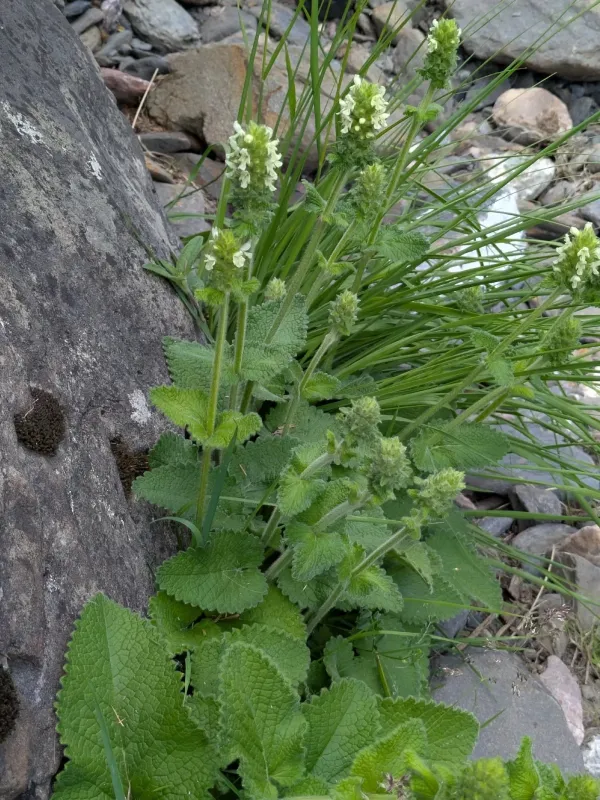
Description
Sowing dates
Betonica alopecuros, a member of the Lamiaceae family, is typically propagated via seeds or division. The cultivation process requires attention to stratification, as cold exposure improves seed germination rates significantly.
Seeds should be sown in early spring or late autumn. When sowing in containers, maintain a stable temperature and prevent the soil from drying out, which is vital for the development of healthy seedlings.
Vegetative propagation by division is the most efficient way to maintain plant health and consistency. Divide the rootstock during early spring just before the plant enters its major growth phase.
Optimal spacing of approximately 30 to 40 centimeters ensures adequate airflow between mature plants, which is a critical factor in preventing fungal diseases in high-density plantings.
Site preparation involves creating a loose, well-draining soil profile. Adding organic compost before planting provides the necessary nutrients for initial growth and establishment.
Growing requirements
This species thrives in sunny or partially shaded locations. It is well-adapted to mountain climates, showing strong resilience against cold temperatures and variable weather conditions.
The soil pH should be neutral to slightly alkaline. It is crucial to ensure that the ground is not waterlogged, as the root system is sensitive to prolonged saturated conditions.
Moderate irrigation is recommended, especially during the peak summer months. Consistent soil moisture levels favor better blooming and stronger stem development.
Fertilization with a balanced, slow-release organic fertilizer in early spring supports the plant's metabolic processes and enhances its aesthetic appeal during the growing season.
Wind protection is beneficial for young plants, although mature specimens are generally robust enough to withstand typical field conditions without additional structural support.
Main diseases and pests
Excessive humidity is the primary cause of health issues in Betonica alopecuros, leading to powdery mildew and various leaf spot diseases that can spread rapidly if left unchecked.
Pests like slugs and snails represent a constant threat, particularly during wet spring weather when they target the tender young growth and foliage of the plants.
Aphids may occasionally cluster on the inflorescences, causing curling leaves. Integrated pest management, including the introduction of natural predators, is an effective strategy.
Root rot, caused by poor drainage or overwatering, is a fatal condition. Preventing water accumulation around the crown is the best way to safeguard the root system.
Maintaining a clean cultivation area, free of weeds, minimizes the habitat for pests and reduces the potential for competing pathogens to affect the main crop.
Harvesting
The harvest of Betonica alopecuros is focused on the collection of the aerial parts, specifically during the full flowering stage when the concentration of beneficial compounds is highest.
Harvesting should be performed during dry, midday hours to ensure that the collected material is free from dew or moisture, which prevents spoilage during the drying phase.
The harvested stems are spread out in thin layers in a shaded, well-ventilated location. Rapid drying is essential to retain the plant's color and chemical profile.
In ornamental applications, deadheading spent flowers helps keep the plant tidy and can occasionally encourage a secondary flush of growth before the winter dormancy.
Once dried properly, the material is stored in breathable containers, such as linen bags, kept in a dark and cool environment to preserve its quality for future use.