
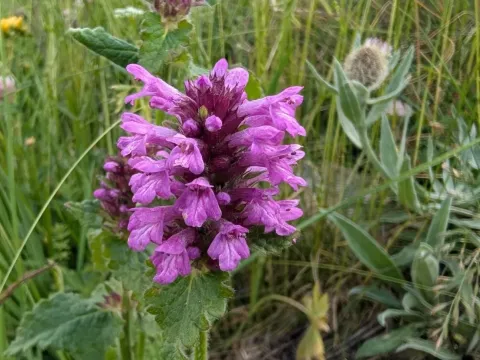
Betonica hirsuta
Betonica hirsuta
Betonica hirsuta, commonly known as hairy betony, is a perennial flowering plant belonging to the Lamiaceae family. It is native to the mountainous regions of Central and Southern Europe, where it thrives in rocky, calcareous soils at varying altitudes.
What the section contains
Betonica hirsuta
Cultivation requires well-draining soil with an alkaline to neutral pH. It is crucial to avoid waterlogged conditions, as the root system of this species is highly susceptible to decay in heavy, compacted, or moisture-retentive soils that lack proper aeration.
This plant prefers full sun to light shade, making it a versatile choice for different landscape settings. It demonstrates significant cold hardiness, adapting well to alpine and temperate climates where it can endure harsh winter temperatures without special protection.
Agricultural management involves routine weeding and providing supplemental irrigation only during prolonged drought periods. Because it is an herbaceous perennial, the foliage dies back in winter, and new growth emerges from the root crown each spring.
In terms of usage, Betonica hirsuta is highly regarded in herbal traditions for its medicinal properties. Additionally, its dense, pink-to-purple flower spikes make it an excellent choice for pollinator-friendly gardens and meadows where biodiversity is prioritized.
Root rot is the primary physiological threat to hairy betony populations. This condition is almost exclusively associated with improper site selection where drainage is poor, leading to the rapid degradation of the underground parts of the plant.
Powdery mildew is a common fungal threat that appears during periods of high humidity and stagnant air. It can be managed by ensuring that plants are not overcrowded, allowing for consistent airflow through the foliage canopy throughout the growing season.
Slugs and snails can pose a significant challenge during the spring, as they feed on the young, succulent leaves. Utilizing physical barriers such as copper tape or crushed eggshells can help protect young plants from significant feeding damage.
Aphids occasionally colonize the soft tips of the flower spikes. In most cases, these infestations are minor and can be managed by manual removal or the introduction of natural predators like ladybugs into the garden environment.
Integrated pest management remains the most effective strategy. By maintaining a clean growing area and monitoring plant health regularly, producers can maximize the longevity and medicinal yield of their Betonica hirsuta crops.