
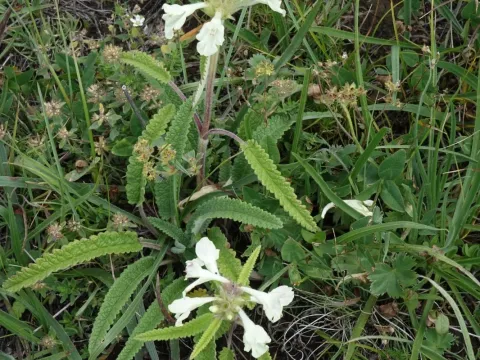
Betonica nivea
Betonica nivea
Betonica nivea is a perennial herbaceous plant belonging to the Lamiaceae family, known for its distinct foliage and resilient growth habit in temperate climates.
What the section contains
Betonica nivea
The propagation of this species is most effectively achieved through seeds, which require a period of cold stratification to break dormancy and ensure even germination.
Direct sowing into prepared seedbeds is recommended in late autumn, allowing natural winter temperatures to condition the seeds for early spring emergence.
When starting indoors, seeds should be sown on the surface of a moist, sterile potting medium and barely covered with a fine layer of vermiculite or soil.
Seedlings are typically ready for transplanting once they develop two sets of true leaves, maintaining a spacing of at least 40 cm between individual plants.
This species thrives in sunny locations but adapts well to semi-shaded environments, provided the air circulation remains adequate throughout the growing season.
It prefers well-drained, fertile soil with a slightly alkaline to neutral pH, avoiding compacted or waterlogged soils which can lead to root degradation.
The plant demonstrates excellent winter hardiness, making it suitable for cultivation in various zones where temperatures can drop significantly during the dormant period.
Although once established it shows some drought tolerance, regular watering during dry spells promotes better vegetative growth and more abundant flowering.
Minimal fertilization is required; a light application of compost in early spring is usually sufficient to support the plant's nutrient needs for the entire year.
- Flowering period: Typically late spring to mid-summer.
- Biomass production: Primarily vegetative leaves harvested before flowering.
- Medicinal potential: Traditional use of aerial parts in herbal preparations.
- Decorative value: Highly prized for foliage contrast in rock gardens.
- Harvest timing: Best yield of active compounds occurs at the onset of bloom.
Powdery mildew is the most common fungal issue, particularly in humid climates where leaves remain wet for extended periods, reducing the aesthetic and medicinal quality.
Root rot caused by Phytophthora or Pythium species is a major threat if soil drainage is insufficient, often leading to the sudden collapse of the plant.
Gastropods, such as slugs and snails, are frequent pests during the moist spring months, often consuming the soft tissue of new, tender leaves.
Aphids can occasionally colonize the flower stalks during warm weather, potentially weakening the plant and encouraging the growth of sooty mold.
Integrated pest management strategies should include keeping the base of the plant free from debris and maintaining optimal spacing to promote quick drying of the canopy.
The harvest of aerial parts is traditionally conducted just as the plant begins to enter its full flowering stage to ensure the concentration of secondary metabolites.
Using sharp, sterilized pruning shears, the stems should be cut several centimeters above the basal rosette to allow for future regrowth.
Proper drying is essential for the quality of the harvested material; it should be performed in a cool, dark, and well-ventilated area to preserve the plant's essential components.
Once dried, the plant material should be stored in airtight containers away from direct sunlight to maintain its properties and color for as long as possible.
Sequential harvesting can be performed throughout the season, provided the plant is given sufficient recovery time to replenish its nutrient reserves in the rhizomes.