
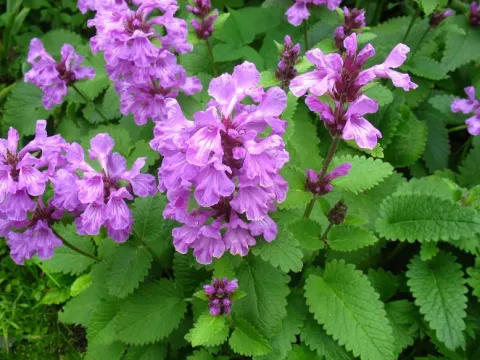
Betony hybrid
Betonica hybrids
Betony hybrid (Betonica hybrids) is a herbaceous perennial belonging to the Lamiaceae family. It is a result of selective breeding designed to enhance the hardiness and ornamental characteristics of wild species native to Europe and Asia.
What the section contains
Betony hybrid
Propagation is most efficiently achieved through the division of mature clumps during the early spring or autumn. This vegetative method ensures that the unique traits of the hybrid are preserved while providing robust root systems for immediate establishment.
Seed propagation is also possible, though it requires a stratification period of several weeks under cool conditions to overcome dormancy. Seeds should be sown in prepared seedbeds or trays in early spring to allow for a full growing season.
When selecting a site, gardeners should aim for locations that receive partial to full sunlight. The soil must be well-drained, as the species is sensitive to waterlogged conditions, particularly during the dormant winter months.
Density of planting is determined by the intended use; for garden borders or mass planting, a density of 6 to 9 plants per square meter is recommended to achieve a uniform coverage after the second year of growth.
This crop thrives in fertile, loamy soils with a near-neutral pH balance. The inclusion of organic matter, such as compost or well-rotted manure, prior to planting, significantly improves soil structure and moisture retention capabilities.
Irrigation management is critical; while the plant is moderately drought-tolerant once established, it requires consistent moisture during the blooming phase to ensure the development of vibrant and numerous flower spikes.
Fertilization should be applied at the start of the growing season using a balanced NPK fertilizer. Avoid excessive nitrogen inputs, as these can promote leafy growth at the expense of floral development and root strength.
Betony hybrid is exceptionally hardy, capable of withstanding temperatures typical of cold temperate climates. Mulching the base of the plants in late autumn provides added protection against extreme frost heave and helps maintain soil temperature.
Adequate spacing and airflow are essential to prevent the accumulation of humidity within the foliage, which is a primary prerequisite for maintaining plant health and preventing common horticultural issues.
The primary health concerns for Betonica hybrids involve fungal pathogens, such as powdery mildew, which thrive in stagnant, humid environments. Maintaining proper airflow is the most effective cultural control method.
Leaf-chewing insects can occasionally cause damage to the foliage during the early stages of the growing season. Integrated pest management strategies, such as the use of horticultural soaps or biological predators, are preferred for control.
Root rot represents a severe threat if soil drainage is insufficient. If soil test results indicate heavy clay content, incorporating grit or horticultural sand into the root zone before planting is a necessary remedial measure.
Monitoring for signs of disease, such as yellowing leaves or discolored patches, should be a routine practice. Early intervention with suitable fungicides or physical removal of infected tissues can prevent the spread of the pathogen.
The accumulation of debris around the base of the plant can harbor pests and pathogens during the winter. Regular clean-up of old plant material after the first frost helps mitigate these risks significantly.
In a commercial or ornamental context, the harvest refers to the collection of floral or herbal material. This should be timed to coincide with peak flowering, as this is when the concentration of desirable compounds is highest.
Stems should be harvested using sterilized, sharp shears, cutting at a height of roughly 15 centimeters. It is imperative to perform harvesting activities during dry conditions to prevent the growth of mold post-harvest.
Drying the material requires a well-ventilated, dark space. A steady, gentle airflow is preferred over high-heat drying methods to ensure that the aromatic qualities of the herb are effectively preserved without degradation.
Once dried, the product should be stored in opaque, airtight containers. Proper storage conditions allow the harvest to maintain its quality for up to two years, provided it is kept away from direct sunlight and moisture.
Following the harvest season, the remaining foliage should be trimmed back to ground level. This practice not only keeps the garden beds tidy but also stimulates vigorous vegetative regrowth at the beginning of the next cycle.