
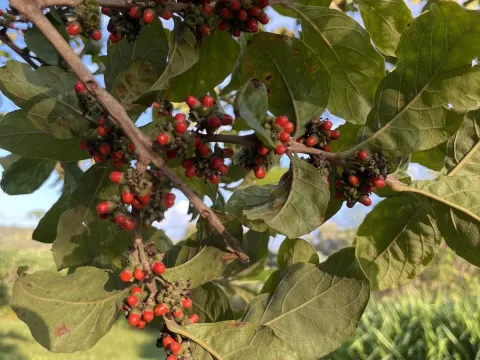
Aegiphila
Aegiphila
Aegiphila is a genus of tropical shrubs and small trees belonging to the Lamiaceae family. These plants are recognized by their opposite, often glossy leaves and distinctive tubular flowers that grow in clusters, contributing to their ecological importance in local habitats.
What the section contains


Aegiphila
The native range of this genus is concentrated in the Neotropics, specifically within the humid forests of Central and South America. They thrive in environments characterized by high humidity, abundant rainfall, and consistent year-round warmth.
Successful cultivation of Aegiphila requires well-drained, nutrient-dense soils. As a tropical species, it is highly sensitive to cold stress, making it unsuitable for outdoor cultivation in temperate climates unless grown in controlled greenhouse environments with strict temperature management.
Agronomic management focuses on maintaining soil moisture and providing sufficient organic fertilization during the growing phase. Regular pruning is often necessary to maintain the desired structure of the plant and to encourage fuller canopy development for those species used in ornamental settings.
Beyond their decorative value, certain species of Aegiphila have historical uses in local medicine and traditional craft. Current research examines the potential of their phytochemical constituents, suggesting that further agricultural development could lead to broader commercial applications in pharmaceutical or essential oil industries.