
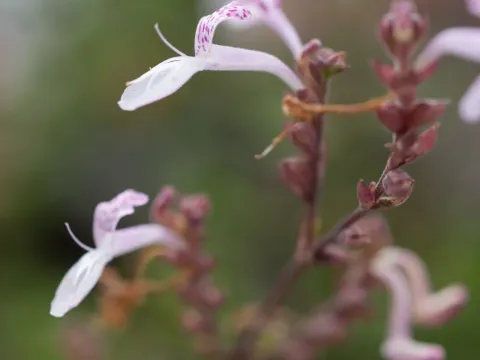
Aeollanthus
Aeollanthus
Aeollanthus is a genus of perennial herbs and subshrubs belonging to the Lamiaceae family. Native to tropical Africa, these plants have evolved to thrive in diverse environments, ranging from grasslands to rocky outcrops, demonstrating remarkable resilience to variable moisture conditions in their natural habitat.
What the section contains


Aeollanthus
The cultivation of Aeollanthus requires a tropical or subtropical climate characterized by warm temperatures throughout the year. As the plant is highly sensitive to frost, its commercial cultivation in temperate regions is strictly limited to greenhouse environments or controlled indoor facilities.
Soil requirements for Aeollanthus focus on excellent aeration and drainage. These plants perform best in light, sandy-loam soils that prevent waterlogging, which is the primary cause of root failure in cultivated specimens. pH levels should be maintained in the slightly acidic to neutral range for optimal nutrient uptake.
Agrotechnical management involves high-intensity lighting, as Aeollanthus plants are heliotropic and require significant sun exposure to produce essential oils. Careful irrigation management is crucial; it should be applied consistently during the active growth phase but reduced significantly during any dormant period.
The primary agricultural use of Aeollanthus is the extraction of essential oils, which are highly valued for their complex terpenoid profiles. These oils serve as raw materials for the pharmaceutical, cosmetic, and fragrance industries, highlighting the economic potential of this unique botanical resource.
The most common disease threats to Aeollanthus include various forms of root rot and powdery mildew. These are predominantly triggered by high relative humidity and poor ventilation in greenhouse settings, necessitating precise environmental control to maintain plant health.
Pest pressures typically arise from spider mites and aphids, which feed on the sap and can significantly reduce the quality of the essential oil yield. Integrated pest management strategies, utilizing both biological controls and targeted applications, are necessary to protect the plant's delicate aromatic compounds.