
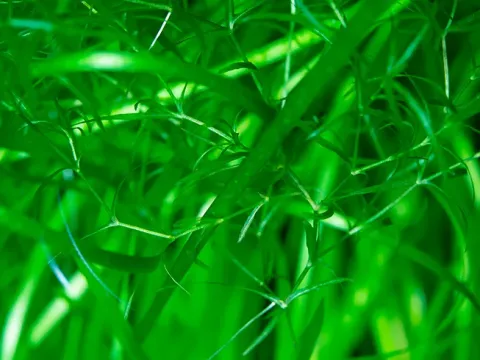
Najas
Najas
Najas, commonly known as water nymph, is a genus of annual aquatic plants belonging to the family Hydrocharitaceae. These plants are true hydrophytes, spending their entire life cycle submerged in freshwater or brackish water environments.
What the section contains
 Chinese naiad
Najas chinensis
Chinese naiad
Najas chinensis
 Horrid naiad
Najas horrida
Horrid naiad
Najas horrida
 Indian naiad
Najas indica
Indian naiad
Najas indica
 Najas armata
Najas armata
Najas armata
 Najas guadalupensis
Najas interrupta
Najas interrupta
Najas guadalupensis
Najas guadalupensis
Najas interrupta
Najas interrupta
 Najas malesiana
Najas malesiana
Najas malesiana
 Najas pectinata
Najas pectinata
Najas pectinata
 Najas tenuifolia
Najas tenuifolia
Najas tenuifolia
 Najas tenuis
Najas welwitschii
Najas welwitschii
Najas tenuis
Najas tenuis
Najas welwitschii
Najas welwitschii
 Slender naiad
Najas flexilis
Slender naiad
Najas flexilis
 Slender naiad
Najas gracillima
Spiny naiad
Najas arguta
Slender naiad
Najas gracillima
Spiny naiad
Najas arguta
 Spiny naiad
Najas marina
Spiny naiad
Najas marina
 Spiny naiad
Najas minor
Spiny naiad
Najas minor
Najas
The genus is distributed globally across various climatic regions, thriving in still or slow-moving waters such as ponds, lakes, and drainage ditches. They are well-adapted to different light conditions provided there is sufficient water clarity.
Soil requirements for Najas are primarily focused on silty or organic-rich substrates where the plant can anchor itself, although much of its nutrient uptake occurs directly through the foliage from the water column.
Botanically, Najas is characterized by slender, branched stems and narrow, linear leaves that are often serrated at the margins. The plant exhibits rapid vegetative growth, which allows it to colonize available areas effectively during the warm season.
In environmental management, Najas is recognized for its ability to oxygenate water and provide essential cover for aquatic fauna, making it a critical component of healthy pond and lake ecosystems.
Najas populations are primarily threatened by water pollution, specifically high levels of turbidity which inhibit necessary photosynthesis, as well as nutrient-induced eutrophication.
Diseases affecting Najas are often fungal in nature, usually manifesting when water quality drops or when the plant is stressed by extreme temperature fluctuations beyond its optimal range.
Pests including various snails and aquatic insect larvae can cause significant grazing damage to the leaves, potentially weakening the plant and increasing susceptibility to secondary infections.
Intense competition from invasive algae species often limits the growth of Najas by outcompeting it for light and mineral resources in stagnant water systems.
Maintenance of Najas in managed water bodies often involves biological control measures, such as the introduction of carp species to prevent the overpopulation of the plant in irrigation canals.