
Slender naiad
Najas gracillima
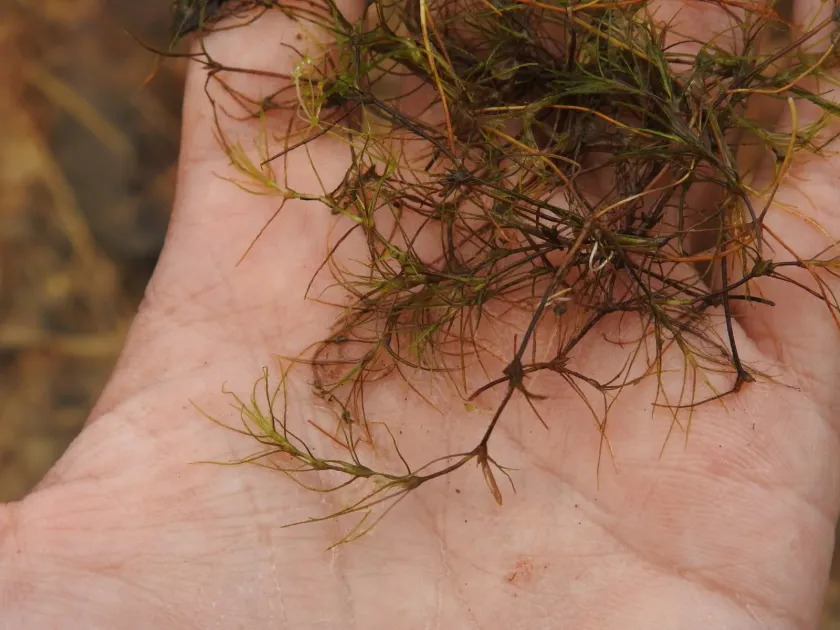
Description
Sowing dates
Slender naiad is an annual aquatic plant that relies on seed dispersion for its natural reproductive cycle at the end of the season.
Seeds settle into the substrate, remaining dormant through the winter until water temperatures reach the necessary spring threshold for germination.
In aquatic management, artificial propagation is achieved by distributing viable seeds or vegetative fragments into target water bodies.
The planting process requires calm, slow-moving water conditions to ensure that the delicate structures take root effectively in the sediment.
Proper density management is essential to prevent overcrowding and to ensure balanced growth across the designated aquatic area.
Growing requirements
As a member of the Hydrocharitaceae family, Najas gracillima is a fully submerged hydrophyte that thrives in stagnant or slow-flowing habitats.
The plant requires high water clarity to maintain sufficient light penetration for the photosynthetic processes necessary for its survival.
Water quality must be stable, with moderate nutrient levels and a temperature range between 20 and 25 degrees Celsius for optimal health.
It prefers silty or sandy substrates, which provide the necessary anchorage and nutritional uptake for the slender stems.
Fluctuations in water chemistry, specifically pH and mineral content, can significantly impact the vegetative development of the species.
Yield
The productivity of slender naiad is determined by its rapid biomass accumulation, which occurs primarily during the warmest summer months.
Under favorable environmental conditions, the plant can cover significant surface areas, providing essential ecological functions.
In constructed wetlands, the yield is measured by the plant's efficiency in sequestering nutrients from the water column.
Maximum biomass is typically achieved in late summer, representing the peak of the plant's photosynthetic activity.
Effective biomass management can prevent excessive eutrophication and contribute to a healthier water ecosystem balance.
Main diseases and pests
The primary threats to slender naiad include fungal pathogens that can proliferate in poor water circulation environments.
Herbivorous fish species pose a significant threat to young populations, as they can consume large amounts of vegetation quickly.
Intense competition for sunlight with invasive algae or other aggressive macrophytes often limits the growth of the species.
Chemical pollutants and agricultural runoff can cause direct toxicity to the plant, leading to stunted growth or death.
Extreme climate events, such as unseasonable cold snaps or severe droughts, can disrupt the plant's delicate life cycle.
Harvesting
Mechanical harvesting using specialized aquatic cutters is the standard method for controlling slender naiad biomass.
The harvest should be timed for the end of the growth season to maximize the extraction of nutrients before natural decay begins.
It is crucial to remove cut vegetation from the water immediately to prevent the release of nutrients back into the ecosystem.
The gathered plant material can be successfully utilized as organic fertilizer or composting substrate following proper drying.
Sustainable harvesting practices ensure that a portion of the population is preserved to allow for natural regeneration in subsequent seasons.