
Horrid naiad
Najas horrida
Description
Growing requirements
The Horrid naiad (scientific name Najas horrida) is a submerged aquatic plant belonging to the Hydrocharitaceae family. It is recognized for its delicate structure and specialized adaptation to life in freshwater environments across Africa and parts of Asia.
This species naturally inhabits a variety of water bodies, including slow-moving rivers, ponds, and marshlands. It prefers environments where it can establish dense root systems in muddy or sandy substrates to support its rapid vegetative growth.
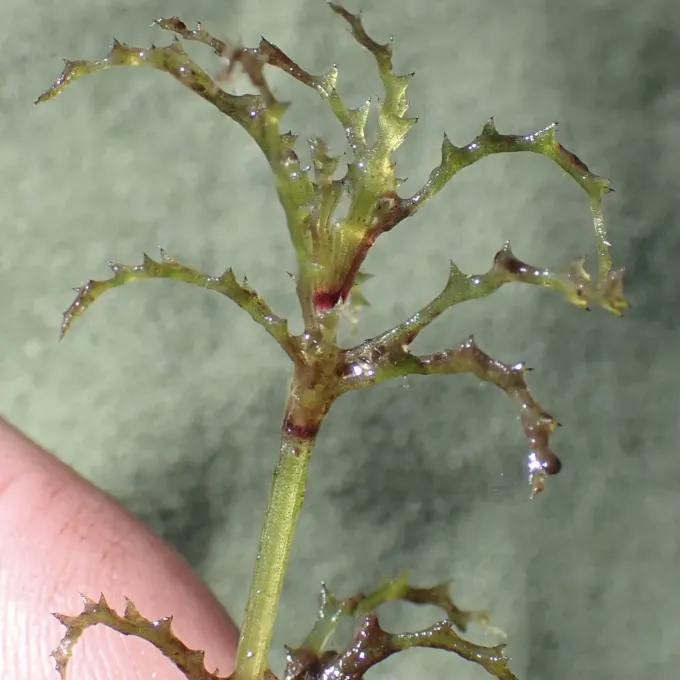
Botanically, it is identified by its brittle, profusely branched stems and linear leaves that feature tiny, sharp spines along the margins. These anatomical features provide the plant with a unique defensive mechanism against grazing herbivores in its natural habitat.
Optimal growth requires consistent water conditions, specifically moderate light penetration and stable temperatures typical of tropical climates. The plant is highly effective at oxygenating water during daylight hours due to its active photosynthetic activity.
In terms of ecological utility, the Horrid naiad serves as a crucial nursery for aquatic fauna, offering shelter for small fish and invertebrates. Its ability to absorb nutrients from the water column makes it a natural filter for aquatic environments.
Main diseases and pests
Agricultural runoff remains the most significant threat to the Horrid naiad. Excessive inputs of nitrogen and phosphorus cause algal blooms, which shade out the plant and restrict its ability to perform essential photosynthesis.
Pathogenic fungi and waterborne bacteria represent major biological threats that can induce stem rot, especially in stagnant water conditions where flow is insufficient to refresh the mineral content of the habitat.
Invasive weed species compete with the Horrid naiad for light and space, often outcompeting it in disturbed ecosystems. This pressure can rapidly lead to the fragmentation and eventual loss of local plant populations.
Human activities, such as dredging or the application of herbicides for canal maintenance, often result in the unintended destruction of large colonies. Such actions strip the water body of its biological filtration capacity.
Climate change, which alters rainfall patterns and causes prolonged periods of drought, poses a fundamental threat to the Horrid naiad. Without water, the plant cannot sustain its delicate vegetative cycle, leading to long-term decline.