
Najas tenuis
Najas tenuis
Description
Growing requirements
Najas tenuis is an aquatic submerged plant belonging to the Hydrocharitaceae family. It is a highly specialized hydrophyte that thrives in stagnant or slow-moving water bodies, playing a crucial role in maintaining local aquatic ecosystem balance.
Native to tropical and subtropical regions, this plant requires specific environmental conditions to prosper. It favors water temperatures ranging from 20 to 28 degrees Celsius, making it susceptible to cold snaps and requiring stable climatic environments.
The plant demonstrates particular soil requirements, preferring nutrient-rich sediments that provide necessary minerals for its rapid growth. High water clarity is essential, as the species relies heavily on penetration of sunlight to its submerged foliage for photosynthesis.
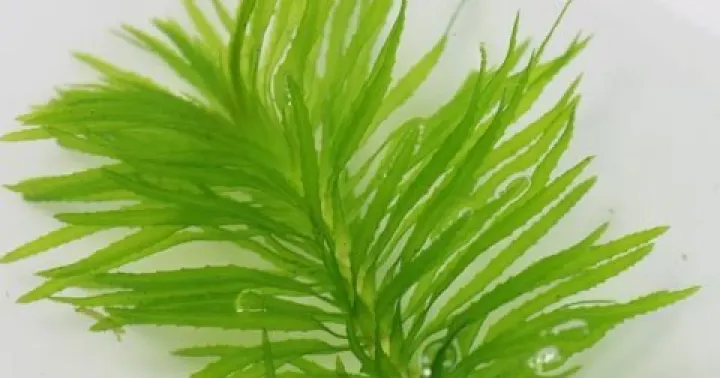
Botanically, Najas tenuis is characterized by its slender, fragile stems and narrow leaves arranged in whorls. Its reproductive strategy involves the development of small, inconspicuous flowers located in leaf axils, adapted specifically for pollination underwater.
In terms of хозяйственное usage, it is highly valued in aquarium hobby and commercial fish farming. It serves as an excellent spawning substrate for fish and provides vital cover for juvenile fish, reducing predation rates in artificial pond settings.
Main diseases and pests
The primary threat to Najas tenuis is water pollution resulting from excessive agricultural runoff. High concentrations of nitrogen and phosphorus trigger algal blooms, which drastically reduce light availability and lead to plant decline.
Common pests include various species of aquatic snails and certain insect larvae that feed on the soft stem tissue. Furthermore, infections from pathogens are more prevalent in crowded populations with poor water circulation, potentially leading to localized die-offs.