
Slender naiad
Najas flexilis
Description
Growing requirements
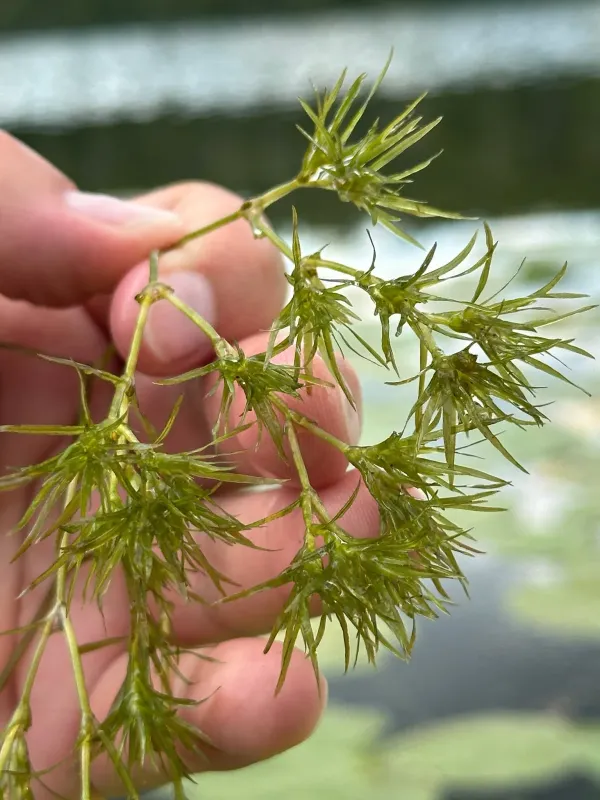
Slender naiad (Najas flexilis) is a submerged aquatic plant belonging to the Hydrocharitaceae family. It is characterized by slender, branched stems and narrow leaves, typically forming dense submerged mats in freshwater ecosystems.
This species requires specific environmental conditions to thrive, preferring clear, nutrient-poor to moderately nutrient-rich freshwater bodies. High water transparency is essential, as the plant relies on sufficient sunlight penetration to maintain active photosynthesis.
The substrate preference for Najas flexilis usually leans towards sand or silt-sand bottoms. Proper anchorage is necessary for the plant to spread effectively, although it can also persist in floating clusters under certain conditions.
Temperature management is critical, with optimal growth occurring within the temperate range. Exposure to extreme fluctuations in water chemistry or excessive turbidity can lead to rapid decline in population health.
Cultivation in controlled systems requires careful monitoring of dissolved carbon dioxide levels and pH stability. Maintaining a slightly alkaline environment often results in more robust foliage and better overall plant development.
Yield
The primary use of Slender naiad is in aquatic ecosystem restoration and as a bio-indicator of water quality. It helps balance the chemical composition of water by sequestering excess nitrates and phosphates.
In aquaculture environments, Najas flexilis serves as a critical nursery habitat for juvenile fish and aquatic invertebrates. Its presence significantly enhances the survival rates of small organisms within the habitat.
Biomass production is rapid during the peak growing season, provided that light and nutrient levels are sufficient. The plant effectively functions as a natural water filter, reducing the need for mechanical filtration in managed ponds.
While not a traditional cash crop, the biomass harvested from managed systems can be utilized as a source of nitrogen-rich mulch for gardening. It decomposes relatively quickly and provides essential nutrients to terrestrial soil.
Future applications of Slender naiad include its integration into sustainable aquaponics systems where it can assist in water purification and oxygenation, contributing to overall system stability and productivity.
Main diseases and pests
The primary threats to Najas flexilis include the degradation of water quality through eutrophication and sedimentation. Excessive nutrient loading from agricultural runoff can trigger algal blooms that choke out the plant by blocking necessary sunlight.
Invasive species also pose a significant risk, as aggressive aquatic weeds often outcompete the Slender naiad for physical space and nutrients. This competition often leads to localized declines in population density.
Changes in hydrological patterns, such as altered water levels or seasonal drying of ponds, can negatively affect the plant's life cycle. As an annual, it relies on stable conditions for seed dispersal and germination.
Various aquatic pathogens and herbivores, including certain species of snails and aquatic insects, can cause damage to the delicate stems. Maintaining a healthy balance in the ecosystem is key to mitigating these biological threats.
Human activities, including boating and dredging, cause physical disturbance to the vegetation mats. Proper management of water usage and protection of native aquatic zones are vital for the long-term conservation of the species.