
Najas guadalupensis
Najas guadalupensis
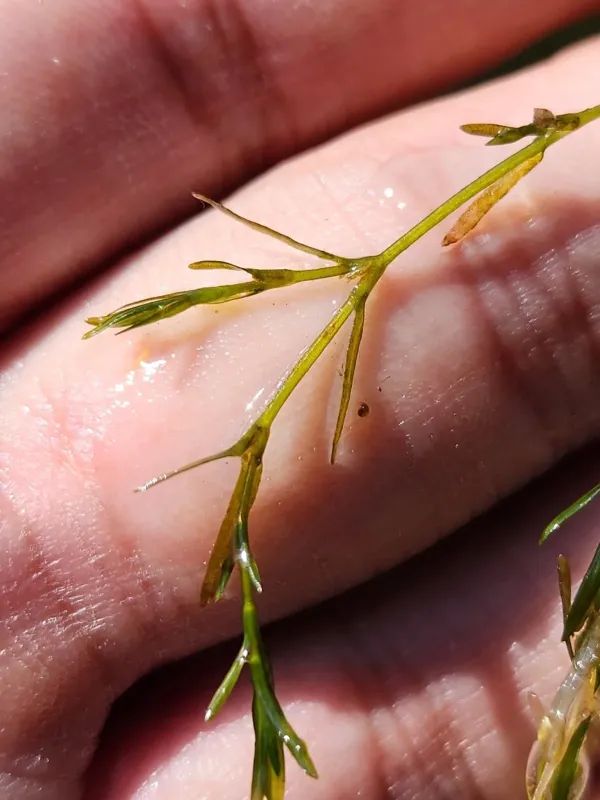
Description
Sowing dates
Najas guadalupensis, commonly known as southern waternymph, is an annual aquatic plant belonging to the Hydrocharitaceae family. In agricultural and aquarium practice, it is primarily propagated vegetatively by planting stem cuttings into a nutrient-rich substrate, where they develop roots rapidly.
The ideal time to initiate growth is during the spring season when light hours increase. It is crucial to handle the cuttings carefully during the planting process, as the stems are highly fragile and susceptible to physical damage if managed roughly.
When cultivating in larger setups, maintaining an appropriate distance between plants is essential. High planting density can cause shading, which inhibits the growth of lower stem sections and may lead to premature rotting if water circulation is blocked.
A key biological trait of this species is its fast-paced metabolism, allowing it to adapt to varying light intensities. Under optimal conditions, the plant can cover a significant area with biomass within a period of 8 to 10 weeks, creating a lush aquatic carpet.
Seed propagation is rarely used in commercial settings due to the microscopic size of the seeds and the technical challenges associated with harvesting them. Therefore, cuttings from healthy mother plants remain the preferred method for generating new stock.
Growing requirements
This species requires soft to moderately hard water with a pH range of 6.0–7.5 for optimal physiological performance. The ideal water temperature for active metabolism lies between 22 and 28 degrees Celsius, as growth slows significantly in cooler environments.
Najas guadalupensis is a light-demanding plant. Adequate light intensity is vital for maintaining the plant's structural integrity and vibrant green color; in low-light conditions, the stems become elongated, fragile, and lose their aesthetic appeal.
The substrate does not need to be highly specific, as the plant absorbs most of its essential nutrients directly from the water column through its leaves. However, an organic-rich sediment can provide stability for the developing root system.
Water quality is paramount to success. The plant is sensitive to turbidity and high concentrations of heavy metals, which can lead to leaf degeneration and inhibited photosynthesis. Clear, well-circulated water is necessary for a healthy crop.
In its native tropical and subtropical range, the plant thrives in still or slow-moving waters. Consequently, cultivation systems should mimic these conditions, avoiding high-velocity water flows that can mechanically disrupt the stems.
Main diseases and pests
The primary threat to the crop is the encroachment of epiphytic algae, which can cover leaf surfaces and effectively starve the plant of light. Managing nutrient levels is crucial to preventing algal blooms that compete with the waternymph.
Certain aquatic snails can cause significant damage to the plant by consuming young shoots. If a population of mollusks becomes excessive, it is necessary to perform mechanical cleaning or implement measures to manage the pest population effectively.
Temperature fluctuations or prolonged exposure to cold water can trigger bacterial rot. Signs of infection include darkening nodes and slimy stem tissues, requiring immediate removal of affected plant sections to prevent the spread of decay.
Chlorosis, manifesting as a loss of deep green pigment, is a common indicator of iron or potassium deficiency. Prompt correction of the water chemistry with chelated micronutrient additives is usually sufficient to restore the health of the plants.
Excessive accumulation of nitrates and phosphates in the water often leads to an imbalance, promoting the growth of undesirable flora. Consistent monitoring of water chemistry is a standard requirement for maintaining a productive and healthy stand.
Harvesting
Harvesting Najas guadalupensis involves mechanical trimming of the stems just above the substrate level. Leaving the lower sections intact allows the plant to regenerate quickly and continue producing biomass for subsequent harvesting cycles.
The biomass serves various purposes, including its use as high-quality forage for herbivorous fish and invertebrates. Harvesting is usually scheduled once the plant density reaches a level that interferes with the filtration or circulation of the aquatic system.
After collection, the plant material must be rinsed thoroughly to remove sediment or debris. If intended for trade, the stems are bundled and kept in a moist environment to prevent dehydration during the transportation process.
Due to its delicate structure, the shelf life of harvested Najas is extremely short. It is best used or sold within 24 to 48 hours, provided it is kept in cool, shaded conditions to maintain its structural moisture and health.
As a green manure or organic fertilizer, the plant is highly effective. Its high nitrogen content and rapid decomposition rate make it an excellent addition to composting systems, helping to enrich soil structure and fertility for other crops.