
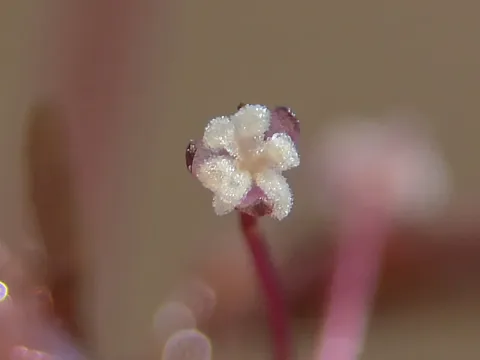
Nechamandra
Nechamandra
Nechamandra is a genus of aquatic plants belonging to the Hydrocharitaceae family. These plants are categorized as hydrophytes, as they spend their entire life cycle submerged in freshwater environments, ranging from ponds to slow-moving streams.
What the section contains

Nechamandra
The geographic origin of this genus is centered in the tropical regions of Asia and Africa. In these areas, Nechamandra thrives in warm, stable climates where water temperatures remain conducive to plant metabolism throughout the year.
Botanically, the plant is recognized by its elongated, submerged stems and sessile, linear leaves that grow in a whorled pattern. The plant architecture is adapted for water buoyancy, allowing it to maintain an upright position within the water column.
Regarding cultivation requirements, Nechamandra favors nutrient-rich water. While it can absorb nutrients directly through its leaves, a healthy substrate of silt provides the necessary minerals for robust root anchor and sustained growth.
The main applications for this plant include use as a bio-indicator of water quality in natural ecosystems and as a popular choice for aquascaping, where it provides oxygenation and hiding spots for aquatic fauna.
The primary threats to Nechamandra include chemical pollution and invasive algal blooms that compete for light and nutrients. Industrial runoff containing heavy metals is particularly detrimental to its delicate leaf structures.
Pests such as gastropods (snails) are known to graze on the foliage, and if water conditions become stagnant and low in oxygen, the plant becomes highly susceptible to fungal rot and rapid decline.