
Najas tenuifolia
Najas tenuifolia
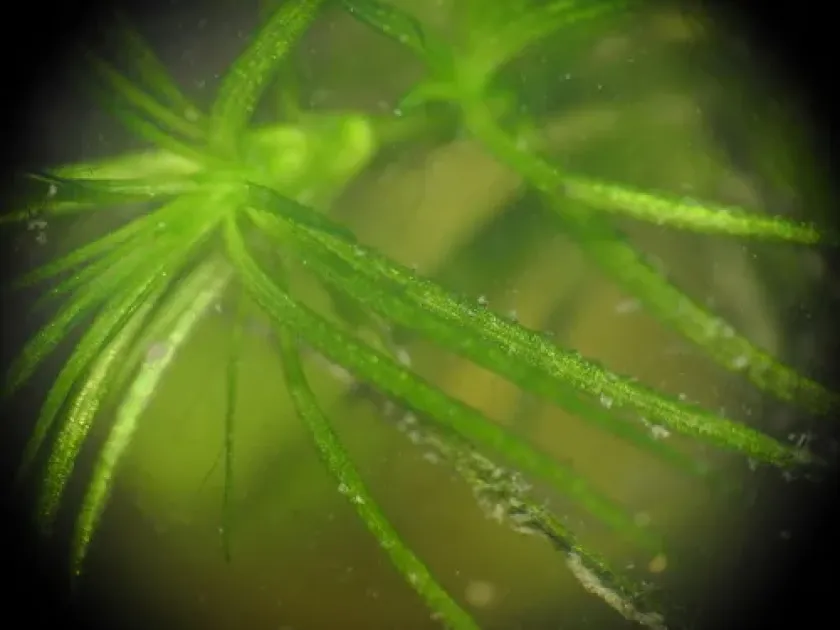
Description
Growing requirements
Najas tenuifolia is an annual submerged aquatic plant belonging to the Hydrocharitaceae family. It is characterized by delicate, fragile stems and slender, linear leaves that thrive in fully submerged environments, providing essential ecological services in freshwater habitats.
The native distribution of this species spans tropical and subtropical regions, predominantly found in Australia and Southeast Asia. It typically colonizes still or slow-moving water bodies, including ponds, lakes, and irrigation channels, often forming dense submerged mats.
Cultivation of this species requires specific environmental conditions to ensure healthy growth. High light intensity is crucial, as the plant depends on consistent photosynthesis to maintain its structural integrity and reproductive vigor throughout the active growing season.
Water quality parameters should be closely monitored, with a preference for stable temperatures between 20°C and 28°C. Carbon dioxide supplementation is often necessary in closed systems to maximize growth rates and maintain the lush appearance of the foliage.
The substrate should be fine-grained and nutrient-rich, providing a stable foundation for the plant's delicate root system. While the plant primarily absorbs nutrients through its leaves, a nutrient-balanced bed helps support the overall health and density of the plant stands.
Main diseases and pests
The primary threats to Najas tenuifolia include epiphytic algae infestation, which smothers the leaves and restricts light access. Additionally, fungal pathogens such as Pythium may attack the stems if the water circulation is poor or if the temperature exceeds the plant's tolerance threshold.
Herbivorous aquatic snails and certain insect larvae represent significant pests that can severely graze on the tender shoot tips. Effective management involves maintaining a clean ecosystem and using non-toxic preventative measures to discourage pest populations from establishing within the culture area.