
Hungarian bears-breech
Acanthus hungaricus
Description
Growing requirements
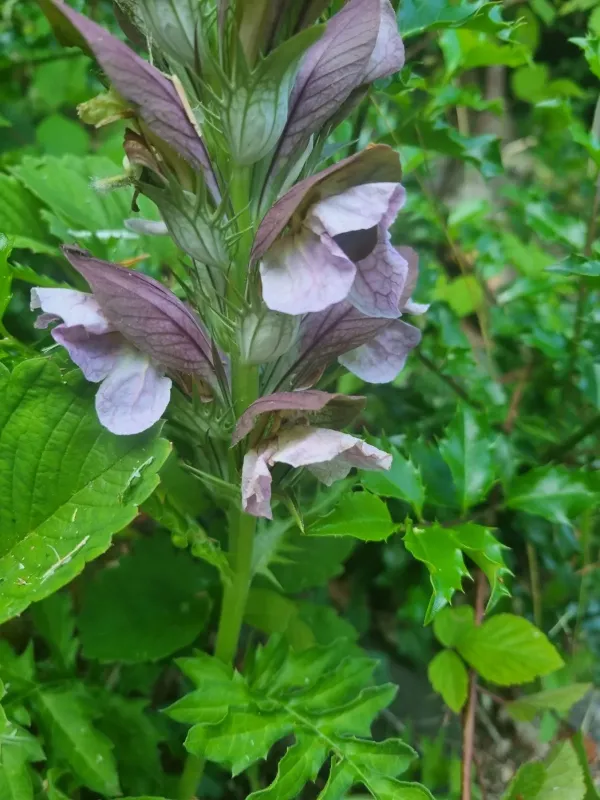
Hungarian bears-breech (Acanthus hungaricus) is a herbaceous perennial plant belonging to the Acanthaceae family. It is native to the Balkans and Southeastern Europe, naturally occurring in rocky habitats and woodland borders.
Botanically, it is characterized by large, deeply lobed, architectural basal leaves. During the blooming period, it produces tall flower spikes featuring hooded flowers protected by spiny bracts, which provide a distinct aesthetic appeal in gardening.
Cultivation requires well-drained, moderately fertile soil. Proper drainage is the most critical factor for survival, as the fleshy roots are highly susceptible to rot if they sit in standing water, particularly during the dormant winter period.
The plant thrives in full sun to partial shade. While it is quite adaptable, providing shade during the hottest part of the day helps prevent leaf scorching in warmer regions, ensuring the foliage remains lush throughout the growing season.
Host plant utilization is centered on landscaping and ornamental horticulture. It is frequently employed as a focal point in borders or large garden beds, prized for its structural shape and its ability to fill large spaces with deep green, textural foliage.
Main diseases and pests
Powdery mildew is the most common fungal disease affecting the foliage of Acanthus hungaricus. It typically occurs in areas with poor air circulation or during periods of high humidity, necessitating proper spacing between individual plants.
Slugs and snails are the primary pests that damage the young, tender foliage in the spring. These pests can cause significant aesthetic damage by leaving large, irregular holes in the leaves, which often requires baiting or hand-picking for control.
Root rot, driven by waterlogged soil conditions, can prove fatal to the plant. It is essential to ensure that the site has excellent drainage and to avoid excessive watering to keep the root system healthy and resilient against soil-borne pathogens.
Aphids may occasionally infest the flower stalks, causing stunted development of the blooms. In cases of severe infestation, using horticultural soaps or systemic insecticides is advised to restore the plant's health and visual appeal.
Cultural control remains the best defense against threats. This includes mulching, ensuring consistent but not excessive moisture, and performing careful sanitation by removing dead foliage after the first frost to reduce overwintering sites for pests and fungi.