
Najas pectinata
Najas pectinata
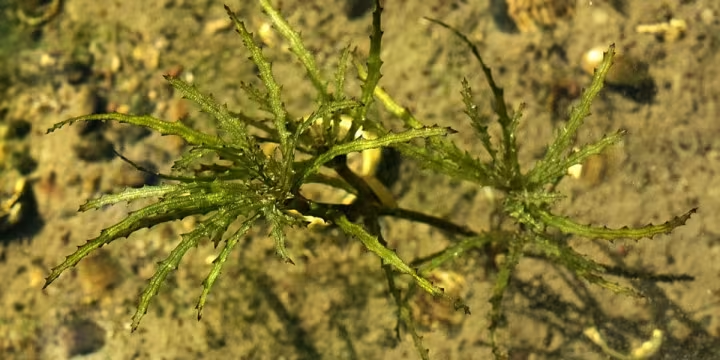
Description
Sowing dates
Najas pectinata is an annual submerged hydrophyte whose growth cycle is deeply influenced by the hydrological regime of the water body.
Natural regeneration occurs through the germination of seeds located in the bottom substrate once the water temperature reaches an optimal spring threshold.
In aquaculture environments, cultivation starts when water temperatures stabilize within the range of 18–20 degrees Celsius.
Propagation can be achieved via both sexual (seeds) and vegetative methods, using stem cuttings that quickly root in soft organic sediments.
Success in establishment requires adequate water transparency to support photosynthesis until the shoots reach the water surface.
Growing requirements
This plant belongs to the family Hydrocharitaceae and prefers stagnant or slow-moving shallow areas of freshwater systems.
Optimal growth conditions involve muddy or sandy-silt substrates rich in organic matter and water with a neutral pH balance.
The plant is sensitive to light levels; therefore, excessive turbidity or dense phytoplankton blooms can significantly hinder its development.
Najas pectinata shows high ecological plasticity, thriving in tropical and subtropical regions with varying temperature regimes.
It acts as a vital ecosystem component, effectively bio-filtering the water by absorbing excess nitrogen and phosphorus compounds.
Yield
The biomass of Najas pectinata can reach significant levels during favorable seasons, making it a viable candidate for sustainable green harvest.
Yield is primarily limited by the surface area of the water body, planting density, and the availability of essential nutrients and solar radiation.
When used as a forage base in fisheries, it supports healthy growth rates for herbivorous fish due to its notable protein content.
Under intensive management, it can produce several tons per hectare annually when fertilizers are managed carefully.
Control of density is essential to maintain optimal yields and prevent the overcrowding of other organisms within the artificial pond system.
Main diseases and pests
The main threats to the plant include anthropogenic pollution from pesticides and herbicides, which often lead to tissue degradation.
Pathogenic fungi and bacterial rot can affect the plants if the water circulation is poor, leading to large-scale die-offs.
Certain insect larvae and pests can damage stems, reducing the overall vitality and agricultural value of the aquatic stand.
Invasive aggressive species can outcompete Najas pectinata by creating shade, which is detrimental to this light-dependent species.
Fluctuations in water levels, specifically those causing prolonged drainage of shallow areas, are fatal for developing seedlings.
Harvesting
Harvesting is typically performed using specialized mechanical water-weed harvesters or mowers mounted on floating platforms.
The optimal harvest timing is during the peak of the growing season, just before seed dispersal, to ensure the highest nutritional density.
The biomass must be removed immediately from the water to prevent secondary pollution caused by the decomposition of plant tissues.
Once harvested, the plant material can be dried or ensiled for use as high-quality organic fertilizer or livestock feed supplements.
Selective harvesting techniques are encouraged to preserve enough root mass and seeds for natural regeneration in subsequent seasons.