
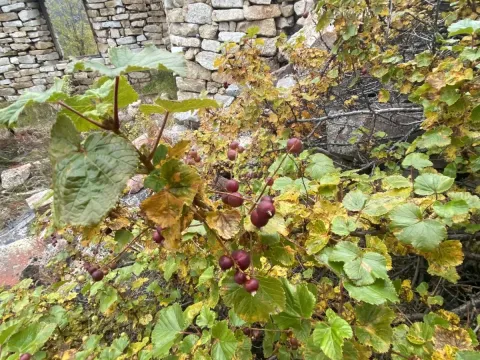
Fragrant currant
Ribes fragrans
Fragrant currant (Ribes fragrans) is a deciduous shrub belonging to the Grossulariaceae family, noted for its strong, pleasant aroma emanating from its foliage. It is primarily valued in ornamental gardens rather than for commercial fruit production.
What the section contains
Fragrant currant
The ideal time for planting is during the autumn dormancy period, allowing roots to establish before the ground freezes. Spring planting is also feasible provided it is completed before the buds begin to swell.
Propagation is typically performed via cuttings or layering. Choosing a well-drained, fertile site is essential, as the species requires adequate space to develop its characteristic branching structure.
During planting, ensure the root collar is placed slightly below the soil surface. Incorporating organic matter into the planting hole improves soil texture and encourages vigorous root development.
Regular spacing is crucial to prevent overcrowding. Placing individual bushes at least 1.5 to 2 meters apart ensures that each plant receives sufficient sunlight and airflow to minimize humidity-related issues.
Fragrant currant thrives in temperate climates, showing significant resilience to cold temperatures. It prefers open, sunlit locations, though it can tolerate partial shade in warmer regions.
The shrub requires moist but well-drained soil. It is sensitive to waterlogging, which can lead to root rot; therefore, providing a proper drainage layer is necessary in heavy soils.
A soil pH ranging from 6.0 to 7.0 is ideal for optimal nutrient uptake. Regular soil testing is recommended to ensure that the site maintains adequate fertility levels over time.
Watering should be consistent, especially during the first growing season and during periods of drought. Maintaining soil moisture helps keep the plant stress-free and promotes healthy growth.
Mulching with organic materials such as compost or wood chips helps conserve soil moisture and suppresses weeds, creating a stable environment for the shrub's superficial root system.
Fungal diseases like powdery mildew and anthracnose are common threats to this species, particularly in regions with high humidity or stagnant air circulation within the shrub canopy.
Common pests include aphids and mites, which feed on succulent new growth. Regular inspection and the use of insecticidal soaps can manage these infestations effectively without damaging the plant.
Pruning is the most effective cultural practice for managing health. Removing dead, damaged, or overcrowded wood improves air circulation and reduces the surfaces available for fungal colonization.
Integrated pest management strategies should be adopted, prioritizing the removal of infected parts and the use of selective, environmentally safe treatments when outbreaks occur.
Maintaining high plant vigor through proper fertilization and watering makes the fragrant currant less susceptible to severe damage from common pests and pathogens throughout the year.